
TypeScript Development Company for Type-Safe Codebases
Catch bugs before they hit production with TypeScript across your frontend and backend, giving your team compile-time type checking, code that explains itself, and safer refactoring on every single release.
Clients that have trusted us over the years











Interact With Your Product Roadmap — Not With Endless Meetings
No matter it's a day or night, there are responses to my inquiries and resolves my concerns in less than an hour.

He Wang
Founder at Cashbackist, Inc.
The TypeScript Architecture & Performance Framework
TypeScript’s value depends entirely on how strictly it’s actually used. A codebase full of "any" types gets none of the safety TypeScript is supposed to provide, just extra syntax.
We build against the Type Safety Assurance Model, a set of rules for how strict typing, shared type definitions, and compile-time checks stay meaningful rather than becoming decoration on top of untyped logic.
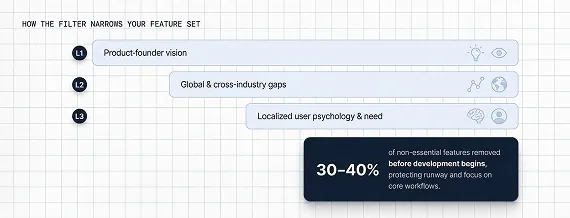
Strict Mode as the Default
Projects run with TypeScript’s strict compiler options enabled from the start, so type errors surface during development instead of as runtime bugs discovered by users.
Shared Types Across Boundaries
Types are shared between frontend and backend where both are TypeScript, or generated from API schemas where they’re not, so a data shape change is caught at the boundary, not three layers downstream.
Generic & Utility Type Discipline
Generics and utility types are used to eliminate duplicated type definitions, keeping the type system itself maintainable as the codebase grows rather than becoming its own source of technical debt.
TypeScript Development Services for Safer Codebases
Every typescript development service below is about making type safety actually pay off, not adding types as a formality that gets bypassed under deadline pressure.
JavaScript to TypeScript Migration
Existing JavaScript codebases converted to TypeScript incrementally, file by file, with strict mode enabled progressively rather than all at once, which is usually where migrations stall.
Type-Safe API Contract Design
Request and response types shared or generated between frontend and backend, so an API change becomes a compile error in the client instead of a runtime failure a user reports.
Custom Type Definition Libraries
Type definitions written for internal libraries or third-party packages that ship without their own types, so your team gets full autocomplete and type checking either way.
TypeScript Configuration & Tooling Setup
tsconfig, linting, and build tooling configured for your specific project (monorepo, single app, or library), avoiding a generic config copied from an unrelated project.
Framework-Specific TypeScript Integration
TypeScript integrated properly with React, Vue, Node.js, or whatever your stack is, using each framework’s own type support rather than generic patterns that don’t fit the framework’s actual API shape.
Type Coverage Audits for Existing Projects
Codebases already using TypeScript audited for excessive "any" usage and type coverage gaps, with a prioritized plan for closing the gaps that actually carry risk.
Why Partner with EnactOn as Your TypeScript Development Agency?
Six reasons engineering teams choose EnactOn specifically for TypeScript work.
Strict Types, Not Decorative Ones
We don’t consider a codebase "typed" if it’s full of any and unknown escape hatches. Strict mode is the default, and types are treated as documentation the compiler enforces.
Every Type Definition Is Yours
Complete source code and type definitions are handed over at delivery. Your TypeScript codebase’s safety doesn’t depend on EnactOn’s continued involvement to maintain.
13+ Years Writing Production Code
EnactOn has engineered custom software since 2013, and our TypeScript practices come from codebases that have run in production long enough for type safety gaps to actually surface.
AI Writes Faster, Types Catch What It Misses
AI-generated code moves faster through boilerplate, and TypeScript’s compiler catches the shape mismatches AI-generated code sometimes introduces, with the same engineer reviewing both before anything ships.
Incremental Migration Without Breaking Production
JavaScript-to-TypeScript migrations are scoped so your application stays deployable throughout, not held hostage to a big-bang rewrite.
TypeScript Expertise Across Every Framework We Use
Whether your stack is React, Vue, Node.js, or a mix, our engineers apply TypeScript consistently across all of it, not as a frontend-only or backend-only practice.
Why Have 350+ Clients Trusted EnactOn?
The same standards behind every EnactOn engagement, applied to TypeScript delivery.
13+ Years of Production Software
Continuous custom software delivery since 2013, with TypeScript adopted across our stack well before it became the default expectation it is today.
65+ Countries, Every Compliance Requirement
TypeScript codebases built for clients with varying data-handling and compliance requirements, where type safety at the API boundary genuinely reduces integration risk.
Nine of Ten Clients Re-Engage
19 in 20 clients re-engage EnactOn, evidence that TypeScript codebases we ship stay maintainable and safe to extend well after delivery.
In-House TypeScript Engineers
Every developer working in TypeScript on your project is an EnactOn employee, held to the same strict-mode standards across every engagement.
AI-Assisted Coding, Human-Verified Logic
AI tools accelerate implementation; the same engineer verifies both the logic and the type correctness of what ships, with no separate review tier added afterward.
Type Documentation Delivered as Standard
Type definitions double as living documentation, delivered with every TypeScript codebase handover rather than a separate paid deliverable.
Built by a TypeScript Development Company with Proven Architecture
Real typescript development services require discipline around the parts of TypeScript that are easy to fake: strict mode, generic reuse, and actually eliminating any rather than suppressing the warning.
Zero Tolerance for Implicit Any
The compiler is configured to flag implicit any usage as an error, not a warning, so type gaps get fixed during development rather than accumulating silently.
Discriminated Unions for State Modeling
Complex state (loading, error, success) is modeled with discriminated unions rather than optional fields, making invalid states unrepresentable instead of just unlikely.
Automated Type-Checking in CI
Type checks run in continuous integration on every pull request, catching type errors before they merge rather than relying on a developer remembering to run the compiler locally.
Generic Utility Functions Over Duplication
Shared logic across similar types is written once using generics, rather than duplicated per type, keeping the codebase’s type surface manageable as it grows.
Type-Safe Environment Variable Validation
Environment variables are validated and typed at startup using a schema library, catching missing or malformed configuration before the application even starts serving requests.
Declaration File Maintenance for Public APIs
Any code exposed as a library or shared package ships with accurate, maintained declaration files, so consuming projects get correct autocomplete and type checking.
The Track Record Behind Every TypeScript Build
Figures that describe EnactOn as a company, holding true across every language and framework we work in.
Our 4-Step TypeScript Development Process
Most full-stack technical debt stems from rushing into code without agreeing on type contracts. Our structured process ensures your application is scoped, engineered, and launched with zero surprises.
Codebase & Type Coverage Discovery
For migrations, we audit your existing JavaScript codebase’s structure and risk areas before scoping a plan; for new projects, we map your core data shapes before writing the first type.
Configuration & Type Architecture Setup
tsconfig, strict mode settings, and shared type structure are established, along with a migration order for existing codebases that minimizes disruption to active development.
Incremental Typing & Feature Build
Types are added or new features built in TypeScript sprint by sprint, with strictness increased progressively rather than attempting full strict mode on day one of a migration.
Type-Check Verification & Launch
The full codebase passes strict type checking in CI before launch, with type coverage monitored going forward so it doesn’t silently regress.
What Our Clients Say
Hear directly from the people who’ve partnered with us to bring their ideas and digital products to life.
No matter it’s a day or night, there are responses to my inquiries and resolves my concerns in less than an hour.

He Wang
Founder at Cashbackist, Inc.
Best thing about EnactOn is they have all under-one-roof solution for end-to-end business requirements.

Tej Prakash
Founder at AdGaem
We appreciate their attention to detail and creative approach in bringing our new exhibit to life online.

Y Sreekanth
Founder at Cashkart365
EnactOn provided me with a more comprehensive proposal than I asked for, which helped me proceed smoothly with development.

Tejas Ahobala
Founder at Khareedhi
All my worries and thinking turned in positive ways when I came across an expert team of EnactOn technologies.

Aaksh Soni
Founder at DealNo1
The technical approach to a solution has been their core strength. Overall domain and business expertise is truly remarkable.

Quartzobr
Founder at Kahle.com.br
Real Results from Real Companies
Explore how we turn complex business challenges into scalable digital products that deliver measurable results.
 Switzerland
How We Built SparissimoFood — An Online Food Ordering System for 400+ Restaurants

“In just 2 months we onboarded over 400 restaurants. EnactOn built a platform that scaled instantly and reduced our support load by 60%.”

 Switzerland
Patoc — Advertiser Management Software That Runs Black Friday at 99.9% Campaign Accuracy
“The automated campaign system eliminated our entire seasonal hiring burden and delivered 99.9% accuracy across every Black Friday campaign.”


 India
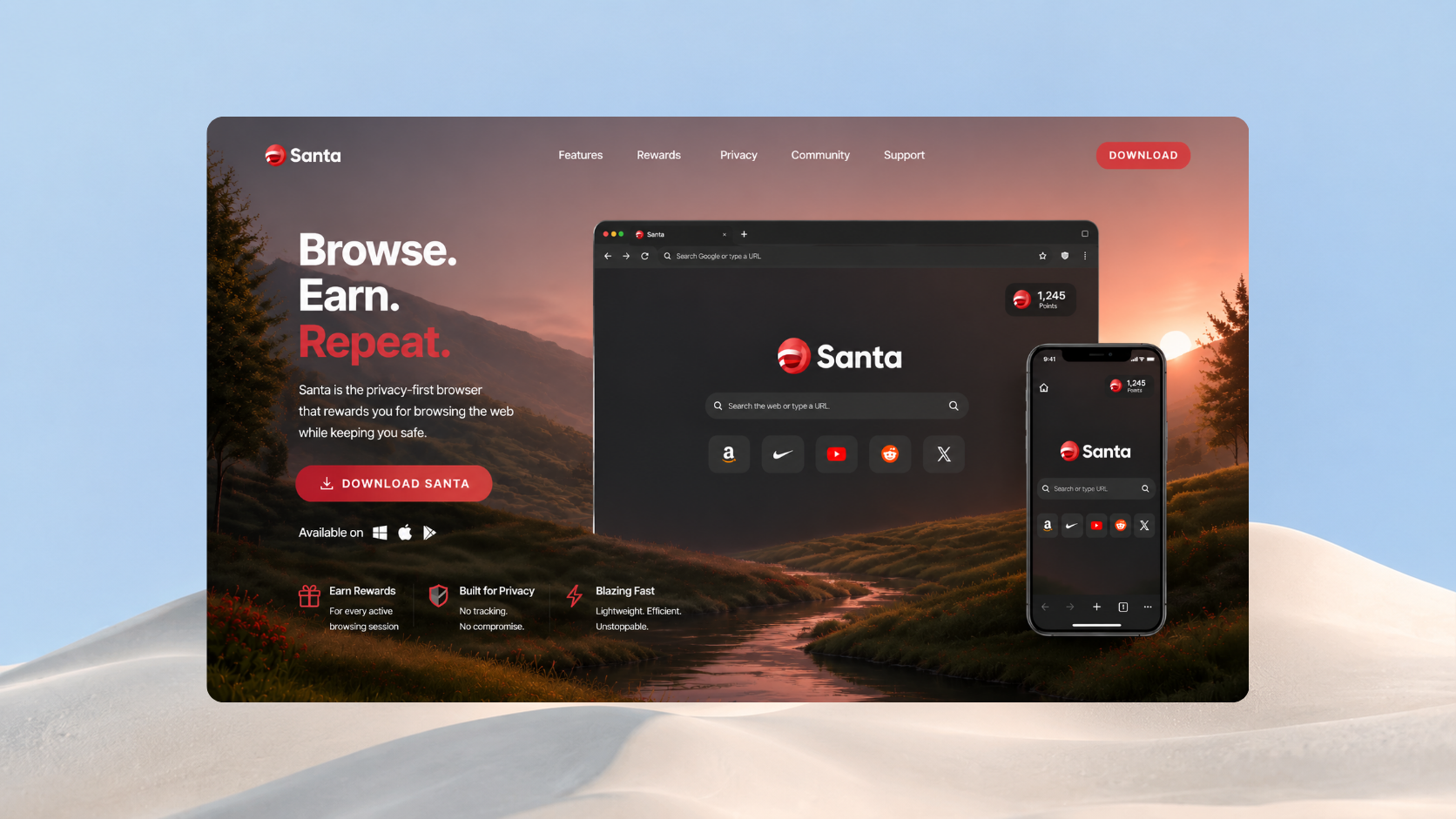
IndiaSanta Browser — Turned Everyday Browsing Into a Rewarding Experience That Drove Repeat Use and Revenue
“Built-in rewards changed the value of the browser itself. Users had a reason to stay, Santa gained a new monetization channel, and cashback became a scalable part of the business.”

TypeScript Development FAQs
Tell Us What You’re Building
Share your idea, requirements, or challenge. We’ll review it and help you figure out the right next step.
He Wang
Founder at Cashbackist, Inc.