
Android App Development Company for Kotlin-First Native Apps
Ship native Android apps built in Kotlin and Jetpack Compose, giving users fluid animations, reliable background work, and full access to Android hardware without the tradeoffs of a cross-platform wrapper.
Clients that have trusted us over the years











Interact With Your Product Roadmap — Not With Endless Meetings
No matter it's a day or night, there are responses to my inquiries and resolves my concerns in less than an hour.

He Wang
Founder at Cashbackist, Inc.
The Android Architecture & Performance Framework
Android’s biggest reliability risk isn’t the UI layer, it’s everything that happens when the app isn’t in the foreground: process death, background restrictions, and the wide range of real device hardware it has to run on.
We build against the Android Runtime Resilience Model, a set of rules for how app state survives process death, backgrounding, and the device fragmentation Android apps have to tolerate that iOS apps largely don’t.
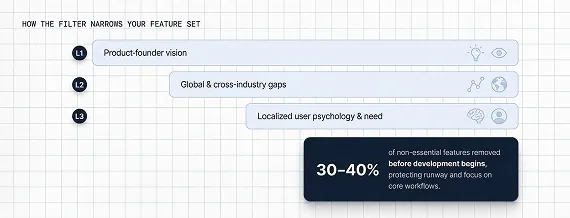
State Survival Across Process Death
ViewModel and SavedStateHandle are used correctly so a user returning to a backgrounded app doesn’t lose form input or scroll position when Android reclaims memory from the process.
Background Work Within Doze and App Standby
WorkManager schedules background tasks in a way that respects Android’s Doze mode and App Standby restrictions, instead of relying on techniques that worked on older Android versions and silently fail on current ones.
Compose Rendering Performance
Jetpack Compose recomposition is profiled and scoped correctly so lists and complex screens don’t re-render more than the actual state change requires, a common source of jank in poorly structured Compose apps.
Android App Development Services Built on Modern Jetpack
Every Android app development service below is built on Kotlin and current Jetpack libraries, not older Java patterns still floating around from pre-Compose Android development.
Native Android App Development in Kotlin
Full native apps built in Kotlin with Jetpack Compose for the UI layer, avoiding the performance and platform-access tradeoffs that come with cross-platform frameworks for Android-specific work.
Jetpack Compose UI Engineering
Declarative UI built with Compose, following Material Design 3 guidelines, with custom theming and component libraries built for apps that need a distinct brand identity beyond default Material styling.
Local Data & Offline-First Architecture
Room database integration for local persistence and offline-first app behavior, with sync logic that reconciles local and server state correctly when connectivity returns.
Firebase Integration
Firebase Authentication, Firestore, Cloud Messaging for push notifications, and Crashlytics for crash reporting, integrated as a coherent backend layer rather than bolted on piecemeal.
Google Play Store Launch & Compliance
App bundle configuration, Play Console setup, and target API level compliance handled so submission doesn’t stall on a policy requirement discovered after the app is already built.
Legacy Android App Modernization
Java-based or XML-layout Android apps migrated to Kotlin and Jetpack Compose incrementally, module by module, rather than requiring a full rewrite before any new feature work can start.
Why Partner with EnactOn as Your Android Development Agency?
Six reasons founders choose EnactOn for native Android work specifically.
Kotlin and Compose, Not Legacy Java
Every new Android build uses Kotlin and Jetpack Compose as the default, not because it’s trendy, but because it’s what Google’s own tooling and documentation are built around now, and it’s measurably less code for the same functionality.
Real Device Testing, Not Just Emulators
Android’s hardware fragmentation is real. We test on a spread of physical devices across manufacturers and screen sizes, not only emulator profiles that can hide performance issues specific to real hardware.
13+ Years of Native Mobile Delivery
EnactOn has built native applications since 2013, and our Android-specific practices come from apps that have survived actual Play Store review cycles and real user device diversity.
AI-Accelerated, Developer-Verified
AI tools speed up Compose UI scaffolding and boilerplate ViewModel code, and the same developer who generated it tests it on real devices and reviews it before merging, with no separate sign-off layer added afterward.
You Own the Play Console Listing
The Play Console account, signing keys, and full source code are yours. Your Android app’s presence on the Play Store doesn’t depend on EnactOn’s continued involvement.
Milestone Builds You Can Actually Install
You receive installable builds at each milestone, not just screenshots, so you’re testing real app behavior on your own device throughout development, not only at the end.
Why Have 350+ Clients Trusted EnactOn?
The same standards behind every EnactOn engagement, applied to native Android delivery.
13+ Years Building Native Apps
Continuous mobile development since 2013, spanning the shift from Java and XML layouts to Kotlin and Jetpack Compose.
65+ Countries, Every Android Market
Android apps shipped for markets with wildly different device profiles, from flagship phones to budget devices still common in several regions we serve.
19 in 20 Clients Come Back
19 in 20 clients re-engage EnactOn, evidence that Android apps we ship keep working well past the initial Play Store launch.
In-House Android Engineers
Every Android developer on your project is an EnactOn employee, tested on the same device lab and held to the same code review standards as every other project.
AI Speed, Same Developer Accountability
The engineer using AI tools to move faster through Android boilerplate is the same one accountable for how it performs on real devices, with no separate governance tier reviewing after the fact.
Play Console Compliance, Handled Proactively
Target API level requirements and Play Store policy changes are tracked ahead of submission deadlines, not discovered as a rejection after you’ve already submitted.
Built by an Android App Development Company with Proven Architecture
Real android app development services require discipline around the parts of Android that don’t show up in a demo: memory pressure, background restrictions, and the accessibility standards Play Store increasingly enforces.
MVVM Architecture with Jetpack ViewModel
UI state is separated from business logic using ViewModel and StateFlow, keeping Compose UI code focused on rendering rather than managing application state directly.
Dependency Injection with Hilt
Hilt manages dependency injection across the app, making unit testing straightforward by allowing test doubles to be substituted without restructuring production code.
Instrumented UI Testing
Compose UI tests and Espresso instrumented tests run against real device configurations in CI, catching UI regressions before they reach a Play Store beta track.
Accessibility to Android’s TalkBack Standards
Content descriptions, focus order, and touch target sizing are verified against Android’s TalkBack screen reader, a real Play Store quality signal, not an afterthought.
ProGuard/R8 Optimization and Security
Release builds are optimized and obfuscated correctly, with API keys and secrets kept out of the compiled APK, checked before every Play Store submission.
Crash-Free Rate Monitoring Post-Launch
Firebase Crashlytics tracks crash-free session rate after launch, with a defined threshold that triggers an immediate fix cycle rather than waiting for a scheduled update.
The Track Record Behind Every Android Build
Figures that describe EnactOn as a company, holding true across every platform we build for, Android included.
Our 4-Step Android App Development Process
Most mobile technical debt stems from rushing into code without agreeing on architecture. Our structured process ensures your Android application is scoped, engineered, and launched with zero surprises.
Platform & Device Requirements Discovery
We map your target Android versions, device tiers, and Play Store category requirements before development starts, since a fitness app and a point-of-sale app have very different minimum-device assumptions.
Architecture & Compose Design System Setup
MVVM architecture, navigation structure, and either Material 3 theming or your custom design system are established, alongside the Firebase or backend integration the app will depend on.
Sprint-Based Feature Build
Features are built and demoed as installable builds each sprint, tested on real devices from our lab rather than only emulators, with feedback incorporated before the next sprint starts.
Device Testing & Play Store Launch
The app is tested across a spread of physical devices and Android versions, then submitted through Play Console with target API compliance and store listing requirements already verified.
Still running an Android app built on pre-Compose Java patterns?
What Our Clients Say
Hear directly from the people who’ve partnered with us to bring their ideas and digital products to life.
No matter it’s a day or night, there are responses to my inquiries and resolves my concerns in less than an hour.

He Wang
Founder at Cashbackist, Inc.
Best thing about EnactOn is they have all under-one-roof solution for end-to-end business requirements.

Tej Prakash
Founder at AdGaem
We appreciate their attention to detail and creative approach in bringing our new exhibit to life online.

Y Sreekanth
Founder at Cashkart365
EnactOn provided me with a more comprehensive proposal than I asked for, which helped me proceed smoothly with development.

Tejas Ahobala
Founder at Khareedhi
All my worries and thinking turned in positive ways when I came across an expert team of EnactOn technologies.

Aaksh Soni
Founder at DealNo1
The technical approach to a solution has been their core strength. Overall domain and business expertise is truly remarkable.

Quartzobr
Founder at Kahle.com.br
Real Results from Real Companies
Explore how we turn complex business challenges into scalable digital products that deliver measurable results.
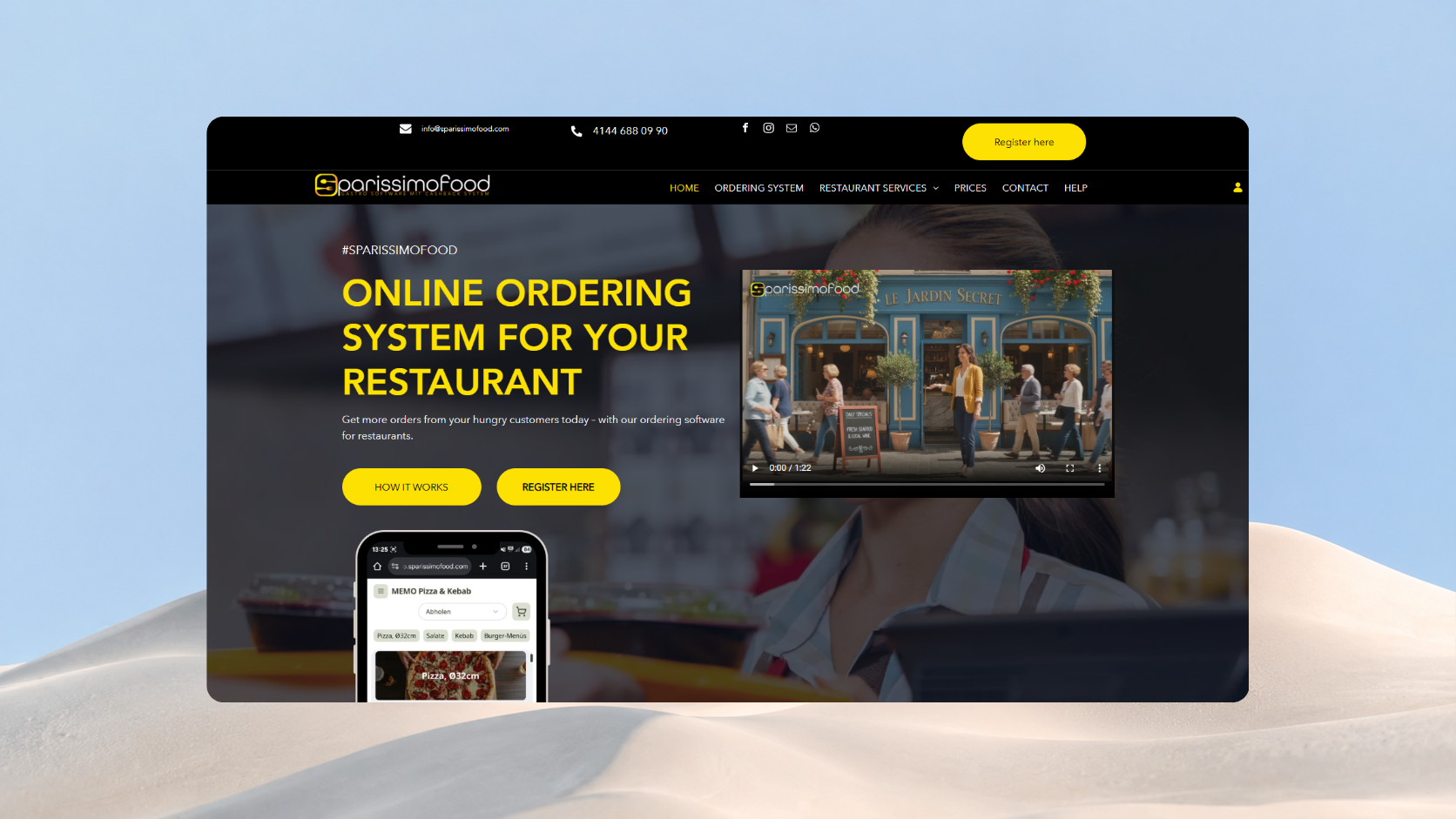
 Switzerland
How We Built SparissimoFood — An Online Food Ordering System for 400+ Restaurants

“In just 2 months we onboarded over 400 restaurants. EnactOn built a platform that scaled instantly and reduced our support load by 60%.”

 Switzerland
Patoc — Advertiser Management Software That Runs Black Friday at 99.9% Campaign Accuracy
“The automated campaign system eliminated our entire seasonal hiring burden and delivered 99.9% accuracy across every Black Friday campaign.”


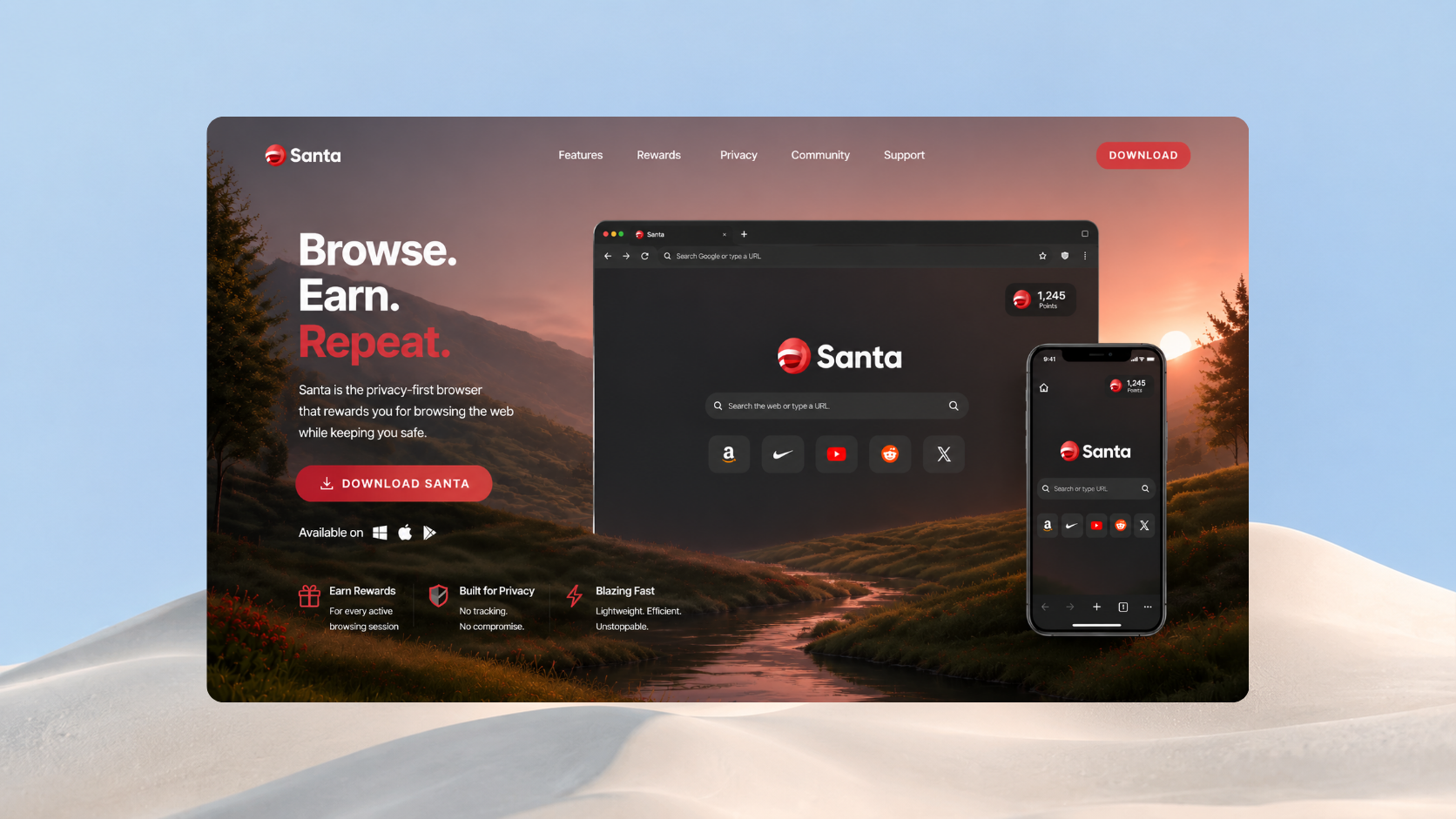
 India
IndiaSanta Browser — Turned Everyday Browsing Into a Rewarding Experience That Drove Repeat Use and Revenue
“Built-in rewards changed the value of the browser itself. Users had a reason to stay, Santa gained a new monetization channel, and cashback became a scalable part of the business.”

Android Development FAQs
Tell Us What You’re Building
Share your idea, requirements, or challenge. We’ll review it and help you figure out the right next step.
He Wang
Founder at Cashbackist, Inc.