
MEAN Stack Development Company for Structured Enterprise Apps
Power enterprise apps with MongoDB, Express, Angular, and Node.js in one JavaScript environment, giving teams a consistent structure that keeps the frontend typed, the data layer clean, and maintainable.
Clients that have trusted us over the years











Interact With Your Product Roadmap — Not With Endless Meetings
No matter it's a day or night, there are responses to my inquiries and resolves my concerns in less than an hour.

He Wang
Founder at Cashbackist, Inc.
The MEAN Architecture & Performance Framework
Angular’s opinionated structure removes a lot of the decision fatigue that flexible frameworks create, but only if that structure is actually followed consistently across a growing team, which is where most MEAN projects start to fray.
We build against the Structured Enterprise Delivery Model, a set of conventions for how Angular modules, services, and RxJS streams stay consistent as more developers join the project.
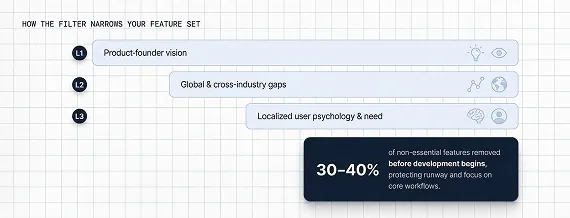
Module Boundaries That Actually Hold
Angular’s module system is used to enforce genuine separation between features, not just organize files into folders, so one team’s change to a shared module doesn’t silently break another team’s feature.
RxJS Stream Discipline
Observable chains are kept short and unsubscribed correctly using Angular’s async pipe or takeUntil patterns, avoiding the memory leaks and tangled subscription logic that undisciplined RxJS use produces at scale.
Dependency Injection for Testability
Services are injected rather than instantiated directly, so unit tests can substitute mock implementations without the complex test setup that comes from tightly coupled Angular components.
MEAN Stack Development Services for Growing Teams
Every MEAN stack development service below leans into Angular’s structure rather than fighting it, since that structure is the actual reason enterprise teams choose MEAN over a less opinionated alternative.
Angular Frontend Architecture
Feature modules, lazy loading, and a consistent service layer built around Angular CLI conventions, so a new developer can find their way around the codebase without a lengthy onboarding document.
Express & MongoDB Backend Development
The same Node.js and MongoDB backend used across our JavaScript stack work, built to serve a structured Angular frontend with typed request and response contracts.
State Management with NgRx or Signals
NgRx for larger applications with complex shared state, or Angular’s newer Signals API for simpler cases, chosen based on your app’s actual complexity rather than defaulting to the heaviest option.
Enterprise Authentication & Authorization
Role-based access control integrated with Angular route guards and Express middleware, including SSO integration where enterprise clients require it.
Angular Material & Component Library Development
UI built on Angular Material or a custom design system component library, so consistency scales across a growing set of screens without every new feature reinventing basic UI patterns.
MEAN Application Upgrades & Migration
Legacy AngularJS (Angular 1.x) applications migrated to modern Angular, and older Node.js/Express backends brought current, without a full rewrite where incremental migration is viable.
Why Partner with EnactOn as Your MEAN Stack Development Agency?
Six reasons enterprise teams choose EnactOn specifically for Angular-based MEAN builds.
Angular Conventions, Actually Followed
We don’t treat Angular’s structure as optional. Module boundaries, dependency injection, and RxJS patterns are enforced consistently, which is what makes a MEAN app maintainable as your team grows past the original developers.
Built for Teams That Will Outgrow the Original Developers
Angular’s structure exists so a codebase survives team turnover. We build with that assumption from day one, documenting conventions so a new hire can contribute within their first week.
13+ Years Building Production JavaScript Systems
EnactOn has engineered custom platforms since 2013, and our Angular and Node.js patterns reflect what’s actually held up in enterprise deployments, not what looked good in a proof of concept.
AI Tools, Full Developer Ownership
AI tools accelerate scaffolding for Angular components, services, and standard CRUD endpoints, and the engineer who used those tools reviews and tests every change before it ships, with no separate approval tier involved.
Full Ownership at Delivery
Complete source code, Angular module documentation, and API references transfer to you at project completion. Your MEAN application isn’t dependent on EnactOn’s continued involvement to function or evolve.
Milestone Reviews, Not a Single Reveal
You review working Angular modules as they’re completed, so structural decisions get validated early rather than discovered as a problem after months of parallel development.
Why Have 350+ Clients Trusted EnactOn?
The same track record behind every EnactOn engagement, MEAN builds included.
13+ Years in Business
Continuous custom software delivery since 2013, across the full range of JavaScript-based stacks including MEAN.
Global Delivery, 65+ Countries
MEAN applications built for clients navigating different regulatory and enterprise IT environments across six continents.
95% Client Return Rate
19 in 20 clients re-engage EnactOn, a track record built on Angular applications that stayed maintainable long after initial delivery.
An In-House Engineering Team
Every developer on a MEAN engagement is an EnactOn employee working from the same office practices and code review standards, not a rotating pool of contractors.
AI Tools, Human Ownership
Engineers use AI to move faster through repetitive Angular scaffolding, and the same engineer remains fully accountable for what ships, without a separate senior tier inserted to re-check the work.
Documentation as Standard Practice
Module architecture diagrams and onboarding guides are delivered with every MEAN codebase, since an enterprise app without documentation becomes someone else’s problem within a year.
Built by a MEAN Stack Development Company with Proven Architecture
Enterprise-grade MEAN stack development services require the same rigor Angular itself was designed around: strict typing, testable services, and predictable module boundaries.
Strict TypeScript Configuration
Angular projects run with strict mode enabled from the start, catching type errors during development rather than as runtime bugs discovered by users.
Unit Testing with Jasmine & Karma
Angular services and components are tested using Angular’s native testing tools, with dependency injection making it straightforward to mock external services in tests.
Lazy-Loaded Module Architecture
Feature modules load on demand rather than bundling the entire application upfront, keeping initial load times reasonable even as the application’s feature set grows.
Accessibility to WCAG 2.2 Standards
Angular CDK’s accessibility utilities are used to meet WCAG 2.2 requirements, particularly important for enterprise clients with public-sector or regulated-industry accessibility obligations.
API Contract Testing
Express API contracts are tested against the Angular frontend’s expected request and response shapes, catching integration breaks before they reach a staging environment.
Automated CI/CD for Angular Builds
Angular’s production build process, including ahead-of-time compilation and bundle optimization, runs through automated pipelines so every deployment follows the same verified steps.
The Track Record Behind Every MEAN Build
Company-wide figures that hold true whether your build is MEAN, MERN, or something else entirely.
Our 4-Step MEAN Stack Development Process
Most enterprise technical debt stems from rushing into code without agreeing on architecture. Our structured process ensures your MEAN application is scoped, engineered, and launched with zero surprises.
Enterprise Requirements & Module Mapping
We map your application into logical Angular feature modules before development starts, since module boundaries decided early prevent the tangled dependencies that come from retrofitting structure later.
Architecture & Design System Setup
Angular CLI project structure, routing, and either Angular Material or your custom design system get established alongside the Express API contract both sides will build against.
Parallel Module Development
Frontend and backend teams build against the agreed contract in sprints, with completed Angular modules reviewed as they ship rather than bundled into one final delivery.
Enterprise Testing & Rollout
Unit and integration tests run across Angular services and Express endpoints, with a staged rollout plan for enterprise clients who need to migrate users gradually rather than all at once.
Need an Angular team that treats structure as a feature, not a constraint?
What Our Clients Say
Hear directly from the people who’ve partnered with us to bring their ideas and digital products to life.
No matter it’s a day or night, there are responses to my inquiries and resolves my concerns in less than an hour.

He Wang
Founder at Cashbackist, Inc.
Best thing about EnactOn is they have all under-one-roof solution for end-to-end business requirements.

Tej Prakash
Founder at AdGaem
We appreciate their attention to detail and creative approach in bringing our new exhibit to life online.

Y Sreekanth
Founder at Cashkart365
EnactOn provided me with a more comprehensive proposal than I asked for, which helped me proceed smoothly with development.

Tejas Ahobala
Founder at Khareedhi
All my worries and thinking turned in positive ways when I came across an expert team of EnactOn technologies.

Aaksh Soni
Founder at DealNo1
The technical approach to a solution has been their core strength. Overall domain and business expertise is truly remarkable.

Quartzobr
Founder at Kahle.com.br
Real Results from Real Companies
Explore how we turn complex business challenges into scalable digital products that deliver measurable results.
 Switzerland
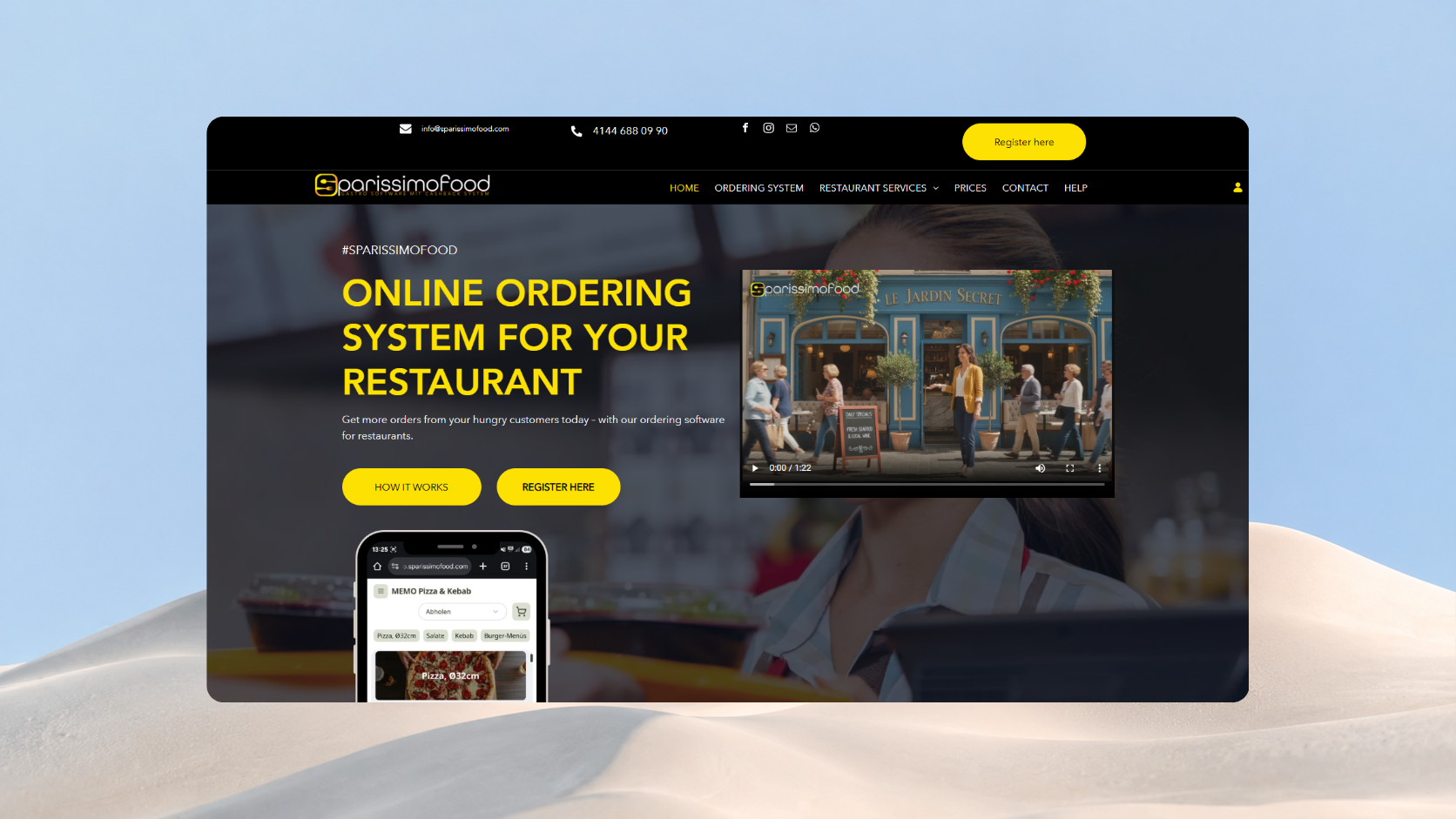
How We Built SparissimoFood — An Online Food Ordering System for 400+ Restaurants

“In just 2 months we onboarded over 400 restaurants. EnactOn built a platform that scaled instantly and reduced our support load by 60%.”

 Switzerland
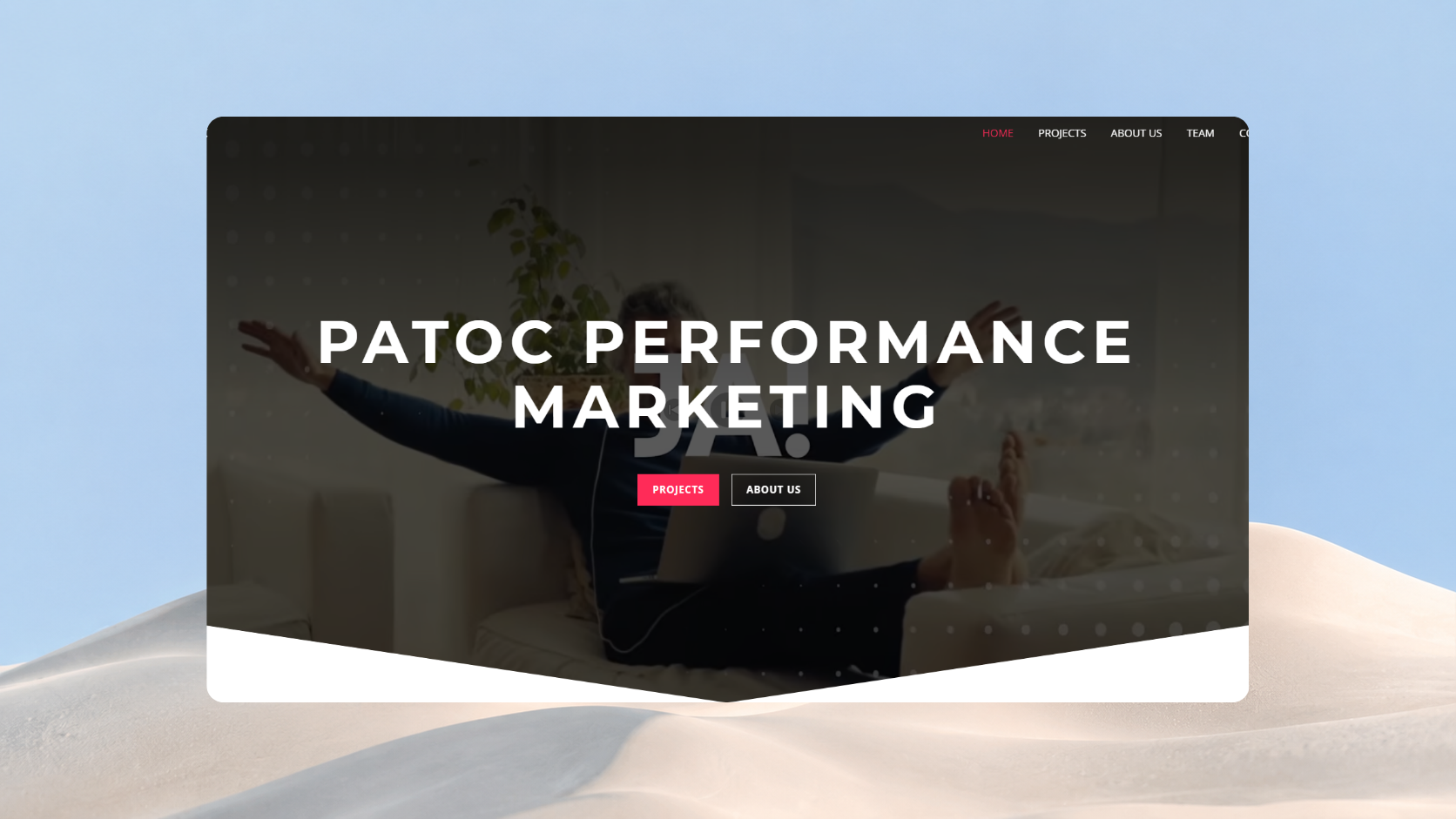
Patoc — Advertiser Management Software That Runs Black Friday at 99.9% Campaign Accuracy
“The automated campaign system eliminated our entire seasonal hiring burden and delivered 99.9% accuracy across every Black Friday campaign.”

 India
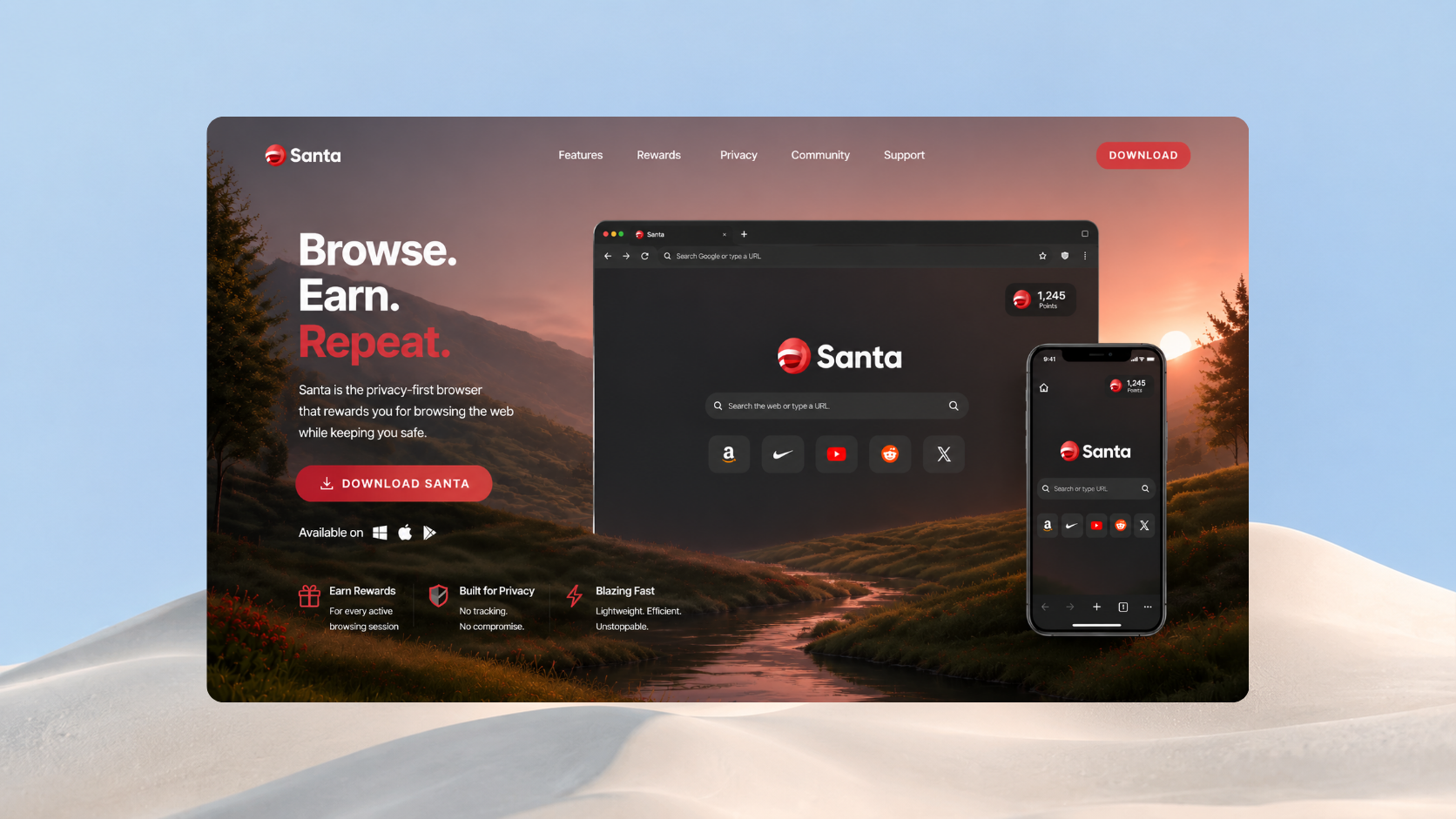
IndiaSanta Browser — Turned Everyday Browsing Into a Rewarding Experience That Drove Repeat Use and Revenue
“Built-in rewards changed the value of the browser itself. Users had a reason to stay, Santa gained a new monetization channel, and cashback became a scalable part of the business.”

MEAN Development FAQs
Tell Us What You’re Building
Share your idea, requirements, or challenge. We’ll review it and help you figure out the right next step.
He Wang
Founder at Cashbackist, Inc.