
ReactJS Development Firm for Enterprise & Startup Web Apps
Craft web applications with React's component model, where the interface stays fast and well-organized even as your product adds features, new pages, and more engineers working on the same codebase.
Clients that have trusted us over the years











Interact With Your Product Roadmap — Not With Endless Meetings
No matter it's a day or night, there are responses to my inquiries and resolves my concerns in less than an hour.

He Wang
Founder at Cashbackist, Inc.
The React Architecture & Performance Framework
React’s flexibility is also its biggest risk: without real state and component boundaries, a growing app turns into prop drilling and re-render cascades that get harder to untangle every sprint.
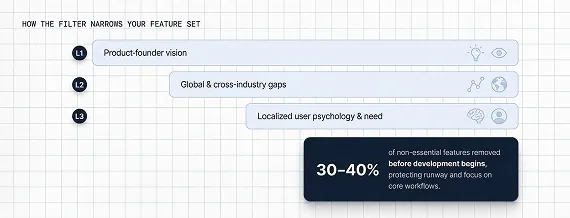
We build against the Component Render Integrity Model, a set of rules for how component boundaries, state ownership, and bundle size stay under control as a React application’s component tree grows.
State & Component Boundary Discipline
State is placed at the level that actually owns it, using Context or a state library only where prop drilling would genuinely become unmanageable, not as a default for every shared value.
Ecosystem & Bundle Optimization
Dependencies are chosen deliberately and code-split by route or feature, keeping the shipped JavaScript bundle proportional to what a given page actually needs rather than the whole app’s dependency graph.
Accessibility & Regional Compliance
Components are built to meet WCAG 2.2 and region-specific requirements (including data and accessibility rules relevant to your target markets) from the start, not retrofitted after an audit flags a gap.
ReactJS Web Development Services, Built for Scale
Every reactjs web development service below is scoped around your actual component complexity and state management needs, not a generic single-page-app template.
Custom React Application Development
Full applications built from component architecture through state management and API integration, structured around your specific product rather than a boilerplate starter.
Component Library & Design System Engineering
Reusable component libraries built with your design tokens, so new features draw from a consistent, tested set of building blocks instead of one-off components per screen.
State Layer Implementation
Context, Redux Toolkit, Zustand, or React Query implemented based on your app’s actual data complexity, not defaulting to the heaviest option for a simple app.
React Performance Optimization
Existing React apps profiled for unnecessary re-renders, oversized bundles, and slow initial load, with fixes targeted at the specific bottlenecks measured, not a general rewrite.
Third-Party & API Integration
Payment gateways, analytics, CMS platforms, and custom backend APIs integrated with proper error handling and loading states, not silent failures users discover on their own.
Legacy React Upgrade & Modernization
Class-component codebases and older React versions migrated to current React with hooks, incrementally where a full rewrite isn’t justified.
Why Partner with EnactOn as Your ReactJS Development Agency?
Six reasons founders and engineering leads choose EnactOn specifically for React work.
Custom Component Architecture, Not Templates
Every component structure is designed around your product’s actual data and interaction patterns, not adapted from a boilerplate that happened to be close enough.
Full Source Code, No Strings Attached
Complete source code, component documentation, and state architecture diagrams are handed over at delivery. Your React app doesn’t depend on EnactOn’s continued involvement to run or evolve.
13+ Years Building for the Web
EnactOn has engineered custom web platforms since 2013, and our React practices come from applications that have handled real production traffic, not a portfolio piece.
AI-Assisted Engineering Velocity
We use modern AI coding tools alongside strict human code review to move faster through implementation, while keeping the engineer who wrote the code accountable for testing and reviewing it before it ships.
Milestone Reviews You Can Actually See
You see working builds at defined checkpoints, not a single reveal at the end, so component architecture decisions can be corrected while they’re still cheap to change.
React Expertise That Extends to Your Full Stack
Our React engineers work alongside the same team building your Node.js, MERN, or Next.js backend, so frontend and backend decisions are made with full context of each other, not handed off cold.
Why Have 350+ Clients Trusted EnactOn?
The same standards behind every EnactOn engagement, applied to React frontend delivery.
13+ Years of Frontend Delivery
Continuous web development since 2013, spanning React’s own evolution from class components to hooks to Server Components.
65+ Countries, Every Browser Environment
React applications shipped for markets with a wide range of device and browser conditions, tested for real-world network and hardware variance, not just modern flagship devices.
A 95% Repeat-Client Rate
19 in 20 clients re-engage EnactOn, evidence that React frontends we ship stay maintainable well past the initial handoff.
In-House React Engineers
Every React developer on your project is an EnactOn employee, held to the same code review standards as every other project we run.
AI Speeds Implementation, Engineers Own the Architecture
AI tools accelerate component scaffolding and boilerplate; the architectural decisions and final review stay with the same engineer who wrote the code, not a separate governance step layered on top.
Documentation Delivered as Standard
Component documentation and state architecture diagrams ship with every React codebase, not as a paid add-on requested after the fact.
Built by a ReactJS Development Firm with Proven Architecture
Real reactjs development service work requires discipline at the layer most teams underinvest in: keeping render performance and bundle size in check as the component tree grows.
Custom Hooks for Shared Logic
Repeated component logic is extracted into custom hooks rather than duplicated across components, keeping business logic testable independent of the UI layer.
Testing That Verifies Behavior, Not Internals
Components are tested against what a user actually sees and does, not internal implementation detail, so refactors don’t break tests that were never testing the right thing.
Code-Splitting & Lazy Loading
Routes and heavy components load on demand via React.lazy and dynamic imports, keeping initial bundle size proportional to what the first screen actually needs.
Memoization Applied Deliberately
useMemo and useCallback are applied where profiling shows a genuine re-render cost, not sprinkled everywhere as a reflexive habit that adds complexity without measurable benefit.
WCAG 2.2 Compliance Built Into Components
Semantic HTML, keyboard navigation, and ARIA attributes are built in from the start, checked against WCAG 2.2 rather than treated as a pre-launch audit item.
Automated Visual Regression Testing
UI changes are checked against visual regression snapshots in CI, catching unintended layout breaks before they reach a staging environment.
The Track Record Behind Every React Build
Figures that describe EnactOn as a company, holding true across every frontend technology we work in.
Our 4-Step ReactJS Development Process
Most front-end technical debt stems from rushing into code without agreeing on architecture. Our structured process ensures your React application is scoped, engineered, and launched with zero surprises.
Component & State Architecture Discovery
We map your core screens, shared state, and data flow before writing a single component, since a component hierarchy designed around the wrong state boundaries is expensive to restructure later.
Design System & Environment Setup
Component library structure, state management approach, and build tooling are established alongside the API contracts the frontend will consume.
Sprint-Based Component Build
Features are built and demoed as working builds each sprint, with component and state decisions reviewed as they ship rather than saved for one final delivery.
Performance Testing & Launch
Bundle size, render performance, and accessibility are checked against real-world conditions before launch, with monitoring in place from the first day live.
Running a React app that’s slowed to a crawl as it’s grown?
What Our Clients Say
Hear directly from the people who’ve partnered with us to bring their ideas and digital products to life.
No matter it’s a day or night, there are responses to my inquiries and resolves my concerns in less than an hour.

He Wang
Founder at Cashbackist, Inc.
Best thing about EnactOn is they have all under-one-roof solution for end-to-end business requirements.

Tej Prakash
Founder at AdGaem
We appreciate their attention to detail and creative approach in bringing our new exhibit to life online.

Y Sreekanth
Founder at Cashkart365
EnactOn provided me with a more comprehensive proposal than I asked for, which helped me proceed smoothly with development.

Tejas Ahobala
Founder at Khareedhi
All my worries and thinking turned in positive ways when I came across an expert team of EnactOn technologies.

Aaksh Soni
Founder at DealNo1
The technical approach to a solution has been their core strength. Overall domain and business expertise is truly remarkable.

Quartzobr
Founder at Kahle.com.br
Real Results from Real Companies
Explore how we turn complex business challenges into scalable digital products that deliver measurable results.
 Switzerland
How We Built SparissimoFood — An Online Food Ordering System for 400+ Restaurants

“In just 2 months we onboarded over 400 restaurants. EnactOn built a platform that scaled instantly and reduced our support load by 60%.”

 Switzerland
Patoc — Advertiser Management Software That Runs Black Friday at 99.9% Campaign Accuracy
“The automated campaign system eliminated our entire seasonal hiring burden and delivered 99.9% accuracy across every Black Friday campaign.”


 India
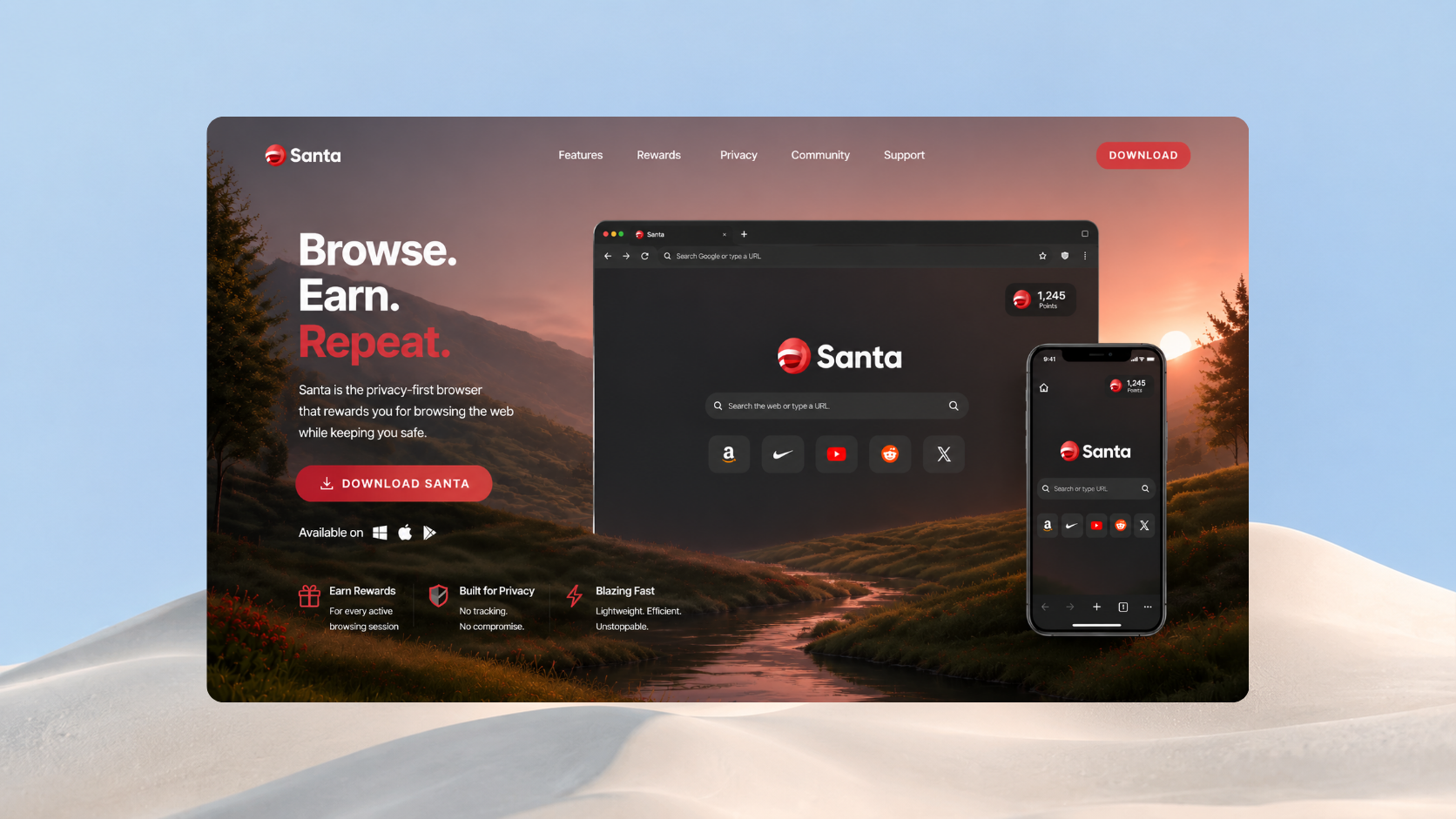
IndiaSanta Browser — Turned Everyday Browsing Into a Rewarding Experience That Drove Repeat Use and Revenue
“Built-in rewards changed the value of the browser itself. Users had a reason to stay, Santa gained a new monetization channel, and cashback became a scalable part of the business.”

ReactJS Development FAQs
Tell Us What You’re Building
Share your idea, requirements, or challenge. We’ll review it and help you figure out the right next step.
He Wang
Founder at Cashbackist, Inc.