
Hire a React Native App Development Agency Built on the New Architecture
Publish on iOS and Android from one React Native codebase, using the modern Fabric architecture for native-quality touch response and hardware access without rebuilding your app separately for each platform.
Clients that have trusted us over the years











Interact With Your Product Roadmap — Not With Endless Meetings
No matter it's a day or night, there are responses to my inquiries and resolves my concerns in less than an hour.

He Wang
Founder at Cashbackist, Inc.
The React Native Architecture & Performance Framework
React Native’s reputation for jank came almost entirely from the legacy bridge’s async, serialized communication between JavaScript and native code. That bottleneck is gone in the current architecture, but only apps actually built to use it correctly see the benefit.
We build against the Native Bridge Performance Model, a set of rules for how JSI, Fabric, and TurboModules get used so an app actually gets the performance the New Architecture makes possible, rather than inheriting old bridge-era workarounds that are no longer necessary.
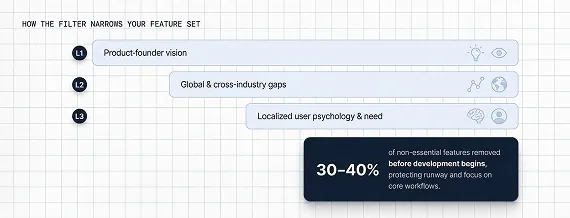
JSI-Native Module Communication
Native modules are built or selected for TurboModules compatibility, using JSI’s synchronous calls where the old bridge’s async serialization would have created a genuine bottleneck.
Fabric Renderer Optimization
Component trees are structured to take advantage of Fabric’s concurrent rendering support, avoiding legacy patterns built around the old renderer’s limitations that no longer apply.
Hermes Engine Bundle Efficiency
JavaScript bundles are optimized for Hermes’s ahead-of-time compilation, keeping startup time low even as the app’s feature set and dependency count grow.
React Native App Development Services on the Current Architecture
Every react native app development service below is built on the New Architecture by default, since building on the legacy bridge now means starting behind before writing a single feature.
Cross-Platform App Development in React Native
Apps built with Expo’s managed workflow where it covers the required native capabilities, or the bare workflow where deeper native module access is genuinely needed, chosen based on the project rather than default habit.
Custom Native Module Development
TurboModules written for native capabilities React Native’s ecosystem doesn’t already cover, built against the current architecture rather than legacy bridge patterns that create technical debt from day one.
Navigation & App Architecture
React Navigation implemented with a structure that scales as screen count grows, avoiding the deeply nested navigator patterns that make larger React Native apps hard to maintain.
State Management & Data Layer
Redux Toolkit, Zustand, or React Query implemented based on the app’s actual data complexity, with API integration built for the specific backend the app depends on.
Performance Optimization for Existing Apps
React Native apps still running on the legacy bridge architecture migrated to Fabric, JSI, and TurboModules, with third-party package compatibility audited before migration begins.
React Native App Modernization & Migration
Older React Native codebases upgraded to current versions and the New Architecture incrementally, including a dependency audit for packages that may need New Architecture-compatible alternatives.
Why Partner with EnactOn as Your React Native Development Agency?
Six reasons founders choose EnactOn as their react native software development agency specifically.
Built on the New Architecture by Default
Every new React Native project starts on Fabric, JSI, and TurboModules, not the legacy bridge, so the app doesn’t inherit performance debt that has to be migrated away from later.
Real React Web Expertise, Extended to Mobile
Our engineers bring genuine React and TypeScript depth from web projects into React Native builds, which shows up in component architecture and state management decisions, not just familiarity with JSX syntax.
13+ Years Across Multiple Platforms
EnactOn has built cross-platform and native applications since 2013, and our React Native practices reflect the framework’s real evolution from the bridge era to its current architecture.
AI-Sped Development, Human-Checked
AI tools accelerate component scaffolding and standard boilerplate, and the same developer who used those tools tests it on both iOS and Android and reviews it before merging, with no separate approval tier involved.
Every Build, Fully Yours
Full source code, native module documentation, and store account access are yours. Your React Native app’s presence on either platform doesn’t depend on EnactOn’s continued involvement.
Milestone Builds on Both Platforms
You receive installable builds for iOS and Android at every milestone, since a React Native feature that works on one platform but not the other isn’t actually done.
Why Have 350+ Clients Trusted EnactOn?
The same standards behind every EnactOn engagement, applied to React Native’s cross-platform delivery model.
13+ Years Delivering Cross-Platform Software
Continuous mobile and cross-platform development since 2013, including React Native’s shift from the legacy bridge to its current New Architecture.
65+ Countries, iOS and Android Together
React Native apps shipped for clients needing simultaneous iOS and Android presence across dozens of markets, from one JavaScript and TypeScript codebase.
A 95% Return Rate, Earned
19 in 20 clients re-engage EnactOn, evidence that React Native apps we ship stay performant and maintainable well past initial launch.
In-House React Native Engineers
Every React Native developer on your project is an EnactOn employee, working from the same code review standards and device testing lab as every other project.
AI Speeds the Work, Not the Accountability
The engineer using AI tools to move faster through React Native component boilerplate is the same one accountable for how it performs on both platforms, with no separate governance tier reviewing afterward.
New Architecture Migration, Handled Proactively
Apps still on the legacy bridge are flagged for migration before third-party package incompatibilities become a blocker, not discovered as a crisis after a dependency stops receiving updates.
Built by a React Native Application Development Company with Proven Architecture
Real react native app development services now mean building on the current architecture correctly, not carrying forward bridge-era workarounds that no longer serve a purpose.
TurboModules Over Legacy Native Modules
New native module work is built against TurboModules and JSI from the start, avoiding the legacy native module pattern that doesn’t benefit from the New Architecture’s performance gains.
Component Testing with React Native Testing Library
Components are tested against user-facing behavior rather than implementation detail, consistent with how our React web teams test, since the underlying philosophy carries over even though the renderer doesn’t.
Cross-Platform Adaptive Behavior
Platform-specific UI conventions are respected where iOS and Android genuinely differ, rather than forcing pixel-identical screens that feel foreign on one platform or the other.
Accessibility Across Both Platforms
Accessibility props are verified against both VoiceOver (iOS) and TalkBack (Android), checked separately since React Native’s cross-platform nature doesn’t guarantee accessibility parity by default.
Package Compatibility Auditing
Third-party npm packages are checked for New Architecture compatibility before adoption, avoiding the real risk of depending on a package that’s still bridge-only.
Hermes Bundle Size & Startup Profiling
App startup time and bundle size are profiled against Hermes’s ahead-of-time compilation, keeping cold-start performance in check as the app’s dependency graph grows.
The Track Record Behind Every React Native Build
Figures that describe EnactOn as a company, holding true across every platform React Native compiles to.
Our 4-Step React Native Development Process
Most cross-platform technical debt stems from rushing into code without agreeing on architecture. Our structured process ensures your React Native application is scoped, engineered, and launched with zero surprises.
Platform & Architecture Discovery
We confirm target platforms and whether Expo’s managed workflow covers your native capability needs, or whether the bare workflow is required, before development starts.
Architecture & Navigation Setup
Navigation structure, state management approach, and any custom native modules needed are planned against the New Architecture from the start, not retrofitted after initial development.
Cross-Platform Sprint Delivery
Features are built and demoed as installable builds for both iOS and Android each sprint, with platform-specific issues caught early rather than discovered at final testing.
Cross-Platform Testing & Store Launch
The app is tested on real iOS and Android devices, with package compatibility and New Architecture performance verified before submission to both the App Store and Google Play.
Still running a React Native app on the legacy bridge architecture?
What Our Clients Say
Hear directly from the people who’ve partnered with us to bring their ideas and digital products to life.
No matter it’s a day or night, there are responses to my inquiries and resolves my concerns in less than an hour.

He Wang
Founder at Cashbackist, Inc.
Best thing about EnactOn is they have all under-one-roof solution for end-to-end business requirements.

Tej Prakash
Founder at AdGaem
We appreciate their attention to detail and creative approach in bringing our new exhibit to life online.

Y Sreekanth
Founder at Cashkart365
EnactOn provided me with a more comprehensive proposal than I asked for, which helped me proceed smoothly with development.

Tejas Ahobala
Founder at Khareedhi
All my worries and thinking turned in positive ways when I came across an expert team of EnactOn technologies.

Aaksh Soni
Founder at DealNo1
The technical approach to a solution has been their core strength. Overall domain and business expertise is truly remarkable.

Quartzobr
Founder at Kahle.com.br
Real Results from Real Companies
Explore how we turn complex business challenges into scalable digital products that deliver measurable results.
 Switzerland
How We Built SparissimoFood — An Online Food Ordering System for 400+ Restaurants

“In just 2 months we onboarded over 400 restaurants. EnactOn built a platform that scaled instantly and reduced our support load by 60%.”

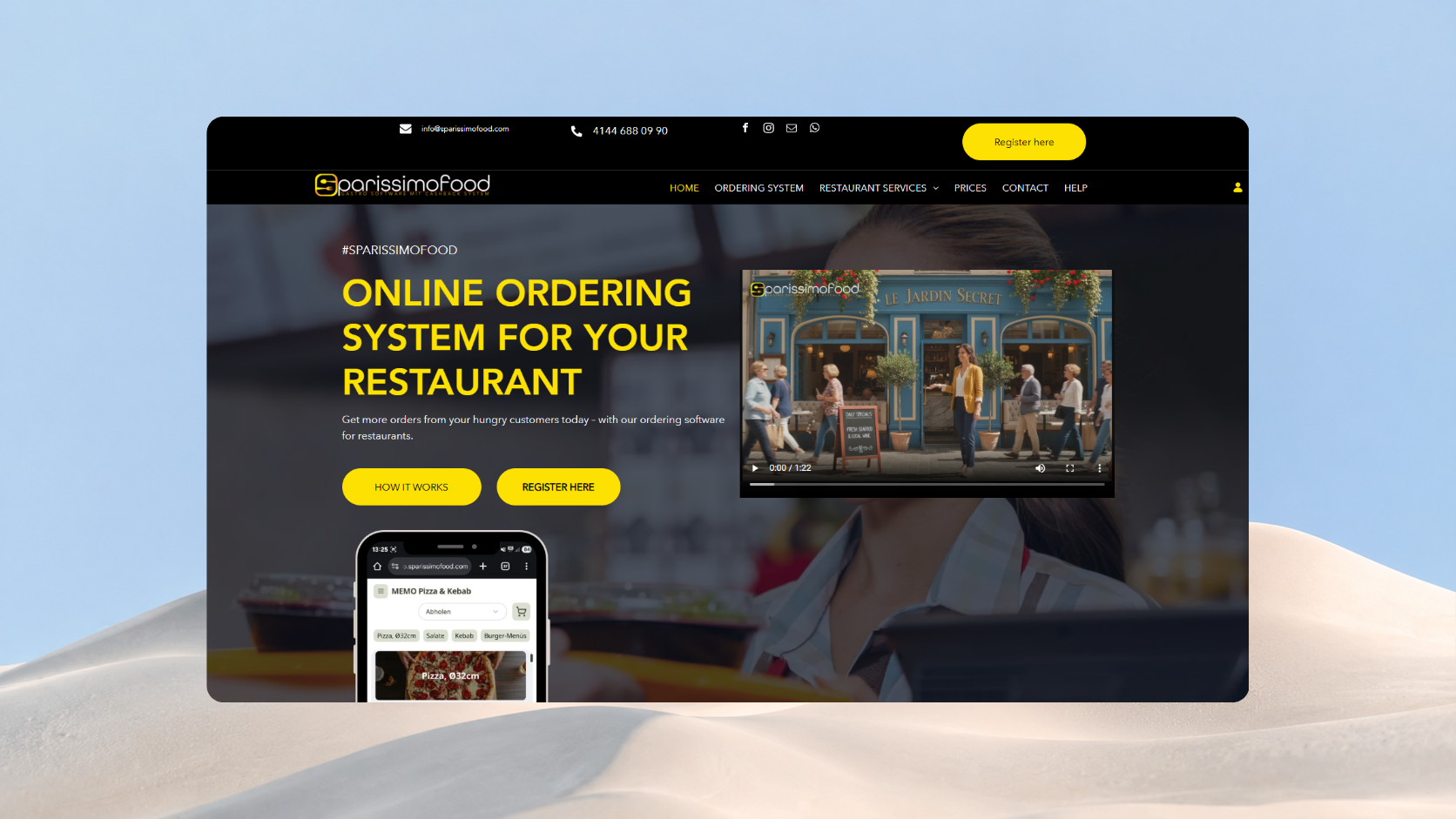 Switzerland
Patoc — Advertiser Management Software That Runs Black Friday at 99.9% Campaign Accuracy
“The automated campaign system eliminated our entire seasonal hiring burden and delivered 99.9% accuracy across every Black Friday campaign.”


 India
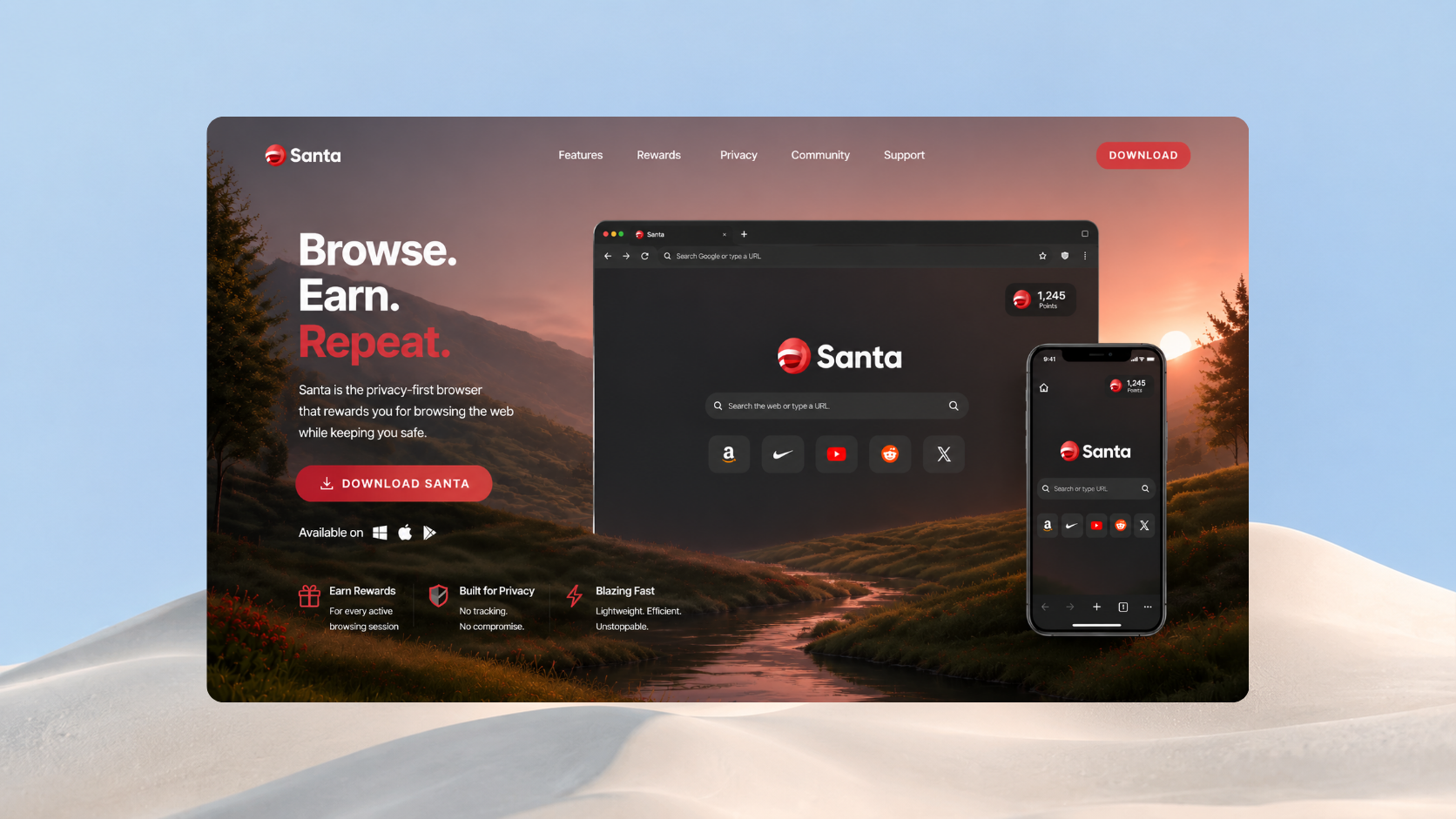
IndiaSanta Browser — Turned Everyday Browsing Into a Rewarding Experience That Drove Repeat Use and Revenue
“Built-in rewards changed the value of the browser itself. Users had a reason to stay, Santa gained a new monetization channel, and cashback became a scalable part of the business.”

React Native Development FAQs
Tell Us What You’re Building
Share your idea, requirements, or challenge. We’ll review it and help you figure out the right next step.
He Wang
Founder at Cashbackist, Inc.