
Custom iOS App Development Company Built on Swift & SwiftUI
Deliver iOS apps built natively in Swift and SwiftUI, following Apple's platform conventions so they perform well across every device, integrate cleanly with iOS features, and pass App Store review.
Clients that have trusted us over the years











Interact With Your Product Roadmap — Not With Endless Meetings
No matter it's a day or night, there are responses to my inquiries and resolves my concerns in less than an hour.

He Wang
Founder at Cashbackist, Inc.
The iOS Architecture & Performance Framework
iOS is a more controlled environment than Android, which means the risks shift: App Store review rejections, memory management in a stricter runtime, and matching Apple’s own interface conventions closely enough that the app doesn’t feel foreign on the platform.
We build against the iOS Interface Integrity Model, a set of rules for how SwiftUI view state, data persistence, and App Store review requirements stay aligned from the first build.
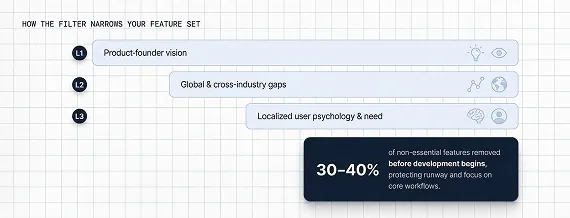
SwiftUI State Management Discipline
State, StateObject, and ObservedObject are used according to actual data ownership, avoiding the over-triggered view redraws that come from state being declared in the wrong place in a SwiftUI view hierarchy.
Core Data / SwiftData Consistency
Local persistence is modeled so sync conflicts between on-device and server data resolve predictably, rather than the silent data loss that comes from an under-designed Core Data migration path.
App Store Review Readiness
Apps are checked against current App Store Review Guidelines before submission, including privacy manifest requirements and permission usage descriptions, so review isn’t the first place a compliance gap gets found.
Custom iOS App Development Services Built Natively
Every custom iOS app development service below is built in Swift, using the frameworks Apple ships specifically so the app performs and feels like it belongs on the platform.
Native Swift & SwiftUI App Development
Full native apps built with SwiftUI for new projects, or UIKit where an existing codebase or specific interaction pattern calls for it, never defaulting to one over the other without reason.
Core Data & SwiftData Integration
Local data persistence built for offline-first use cases, with sync logic that handles conflicts between local and server state correctly rather than assuming connectivity is always available.
Combine & Async/Await Reactive Programming
Data flow built using Combine or Swift’s structured concurrency (async/await), chosen based on the app’s actual complexity rather than defaulting to whichever pattern is more familiar.
Apple Ecosystem Integration
Push notifications via APNs, Sign in with Apple, HealthKit, or other platform-specific frameworks integrated where the product genuinely benefits from deeper iOS ecosystem access.
App Store Submission & Compliance
App Store Connect setup, privacy manifest configuration, and TestFlight beta distribution managed so submission doesn’t stall on a requirement discovered after the app is built.
Legacy iOS App Modernization
Objective-C or UIKit-only apps migrated to Swift and SwiftUI incrementally, screen by screen, avoiding a full rewrite where an incremental path is viable.
Why Partner with EnactOn as Your iOS Development Agency?
Six reasons founders choose EnactOn for native iOS work specifically.
Swift and SwiftUI as the Default
New iOS builds use Swift and SwiftUI by default, with UIKit reserved for the specific cases where it’s genuinely the better tool, not because it’s what a developer already knows.
App Store Review Handled as a First-Class Concern
Apps are checked against Apple’s current review guidelines before submission, not treated as a formality, since a rejected build can cost a week or more of calendar time waiting for re-review.
13+ Years of Native App Delivery
EnactOn has built native applications since 2013, and our iOS practices reflect apps that have actually cleared App Store review and stayed live through multiple iOS version updates.
AI in the Workflow, Not in Charge
AI tools accelerate SwiftUI view scaffolding and standard boilerplate, and the same developer who used those tools tests the result on real devices and reviews it before it merges, with no separate approval tier added afterward.
You Own the App Store Connect Account
Your App Store Connect account, signing certificates, and full source code belong to you. Your iOS app’s presence on the App Store doesn’t depend on EnactOn’s continued involvement.
TestFlight Builds Throughout Development
You receive TestFlight builds at each milestone, so you’re testing real app behavior on your own device throughout the build, not only reviewing it once at the end.
Why Have 350+ Clients Trusted EnactOn?
The same standards behind every EnactOn engagement, applied to native iOS delivery.
13+ Years Shipping Native Mobile Apps
Continuous mobile development since 2013, spanning the shift from Objective-C and UIKit to Swift and SwiftUI as Apple’s own preferred approach.
65+ Countries, App Store Localization Included
iOS apps shipped for international markets, with localization and region-specific App Store metadata handled as part of the build, not an afterthought.
Repeat Engagements Are the Norm
19 in 20 clients re-engage EnactOn, evidence that iOS apps we ship keep passing App Store review on subsequent updates, not just the first submission.
In-House iOS Engineers
Every iOS developer on your project is an EnactOn employee, working from the same device lab and code review standards as every other project.
AI Moves Fast, Accountability Doesn’t Shift
The engineer using AI tools to move faster through SwiftUI boilerplate is the same one accountable for App Store compliance and real-device performance, with no separate governance tier added after the fact.
App Store Guideline Changes Tracked Proactively
Apple’s review guidelines change more often than most teams track. We monitor changes ahead of your submission dates, not after a rejection notice.
Built by an iOS App Development Company with Proven Architecture
Real ios app development company work requires discipline around what App Store review actually checks: privacy compliance, accessibility, and memory behavior under real usage.
MVVM Architecture with SwiftUI
Business logic is separated from SwiftUI view code using the MVVM pattern, keeping views declarative and focused on presentation rather than managing state and side effects directly.
Unit and UI Testing with XCTest
Swift unit tests and XCUITest UI tests run in CI against the app’s actual behavior, catching regressions before a TestFlight build reaches beta testers.
Accessibility to Apple’s VoiceOver Standards
Accessibility labels, traits, and focus order are verified against VoiceOver, both a genuine usability requirement and an increasing factor in App Store review outcomes.
Privacy Manifest & Data Minimization
Apple’s privacy manifest requirements are met precisely, with data collection limited to what the app actually uses, avoiding the review delays that come from over-broad permission requests.
Memory Profiling with Instruments
Apps are profiled using Xcode Instruments for memory leaks and retain cycles, a real risk in Swift’s reference-counted memory model when closures capture references incorrectly.
Post-Launch Crash-Free Rate Tracking
Crash reporting tracks crash-free session rate after launch, with a defined threshold that triggers an immediate fix cycle rather than waiting for the next scheduled App Store update.
The Track Record Behind Every iOS Build
Figures that describe EnactOn as a company, holding true across every platform we build for, iOS included.
Our 4-Step iOS App Development Process
Most mobile technical debt stems from rushing into code without agreeing on architecture. Our structured process ensures your iOS application is scoped, engineered, and launched with zero surprises.
Platform & Compliance Discovery
We map your target iOS versions, App Store category, and any Apple ecosystem integrations (HealthKit, Sign in with Apple, and similar) before development starts, since these decisions shape the app’s architecture from day one.
iOS Design System & Navigation Setup
MVVM architecture, navigation structure, and SwiftUI view hierarchy are established alongside the Core Data or backend integration the app depends on.
TestFlight Sprint Delivery
Features are built and delivered as TestFlight builds each sprint, tested on real devices, with feedback incorporated before the next sprint begins.
Device Testing & App Store Submission
The app is tested across current and recent iOS versions and device sizes, then submitted through App Store Connect with privacy manifest and review guideline compliance already verified.
Facing an App Store rejection you didn’t see coming?
What Our Clients Say
Hear directly from the people who’ve partnered with us to bring their ideas and digital products to life.
No matter it’s a day or night, there are responses to my inquiries and resolves my concerns in less than an hour.

He Wang
Founder at Cashbackist, Inc.
Best thing about EnactOn is they have all under-one-roof solution for end-to-end business requirements.

Tej Prakash
Founder at AdGaem
We appreciate their attention to detail and creative approach in bringing our new exhibit to life online.

Y Sreekanth
Founder at Cashkart365
EnactOn provided me with a more comprehensive proposal than I asked for, which helped me proceed smoothly with development.

Tejas Ahobala
Founder at Khareedhi
All my worries and thinking turned in positive ways when I came across an expert team of EnactOn technologies.

Aaksh Soni
Founder at DealNo1
The technical approach to a solution has been their core strength. Overall domain and business expertise is truly remarkable.

Quartzobr
Founder at Kahle.com.br
Real Results from Real Companies
Explore how we turn complex business challenges into scalable digital products that deliver measurable results.
 Switzerland
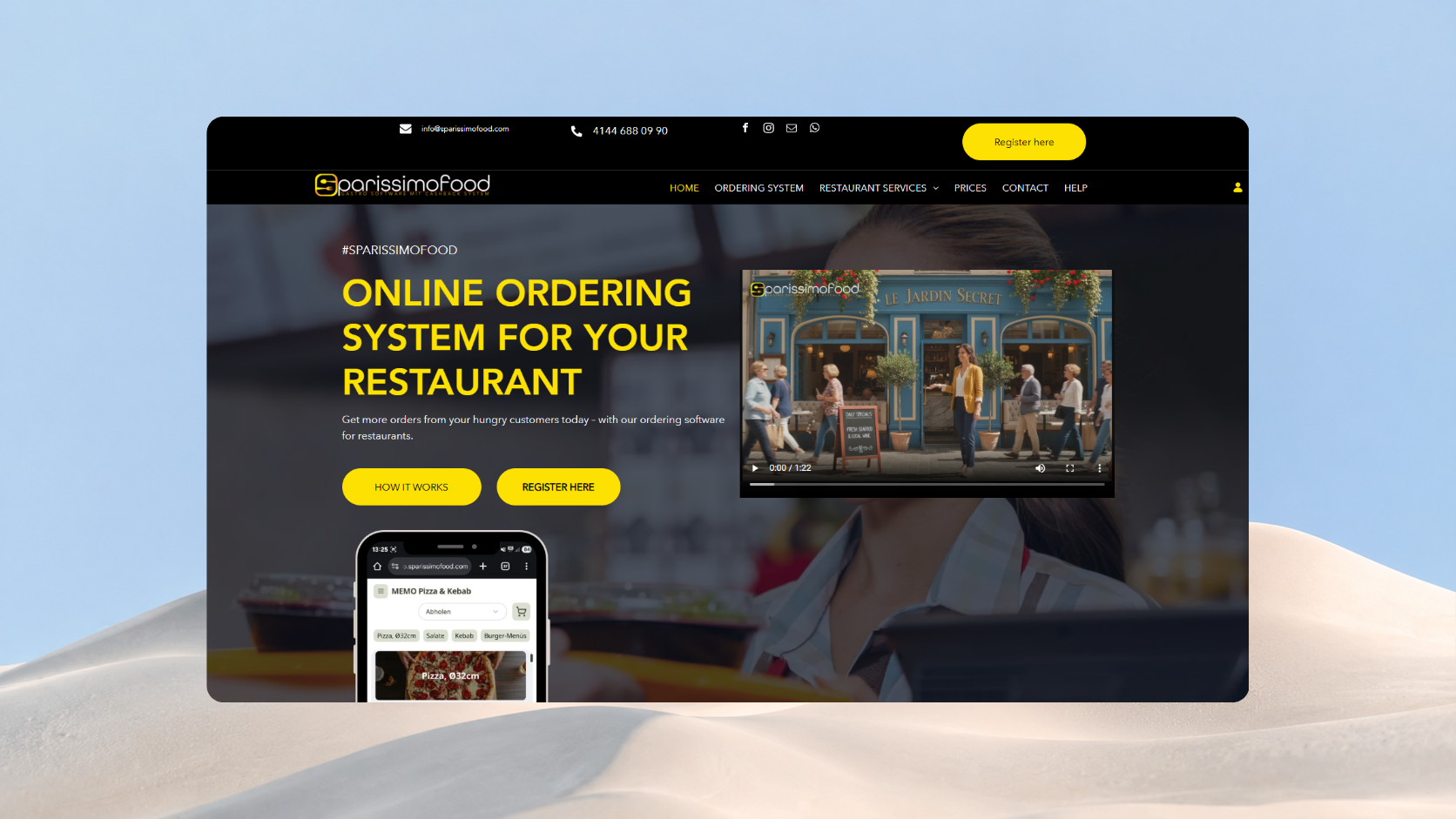
How We Built SparissimoFood — An Online Food Ordering System for 400+ Restaurants

“In just 2 months we onboarded over 400 restaurants. EnactOn built a platform that scaled instantly and reduced our support load by 60%.”

 Switzerland
Patoc — Advertiser Management Software That Runs Black Friday at 99.9% Campaign Accuracy
“The automated campaign system eliminated our entire seasonal hiring burden and delivered 99.9% accuracy across every Black Friday campaign.”


 India
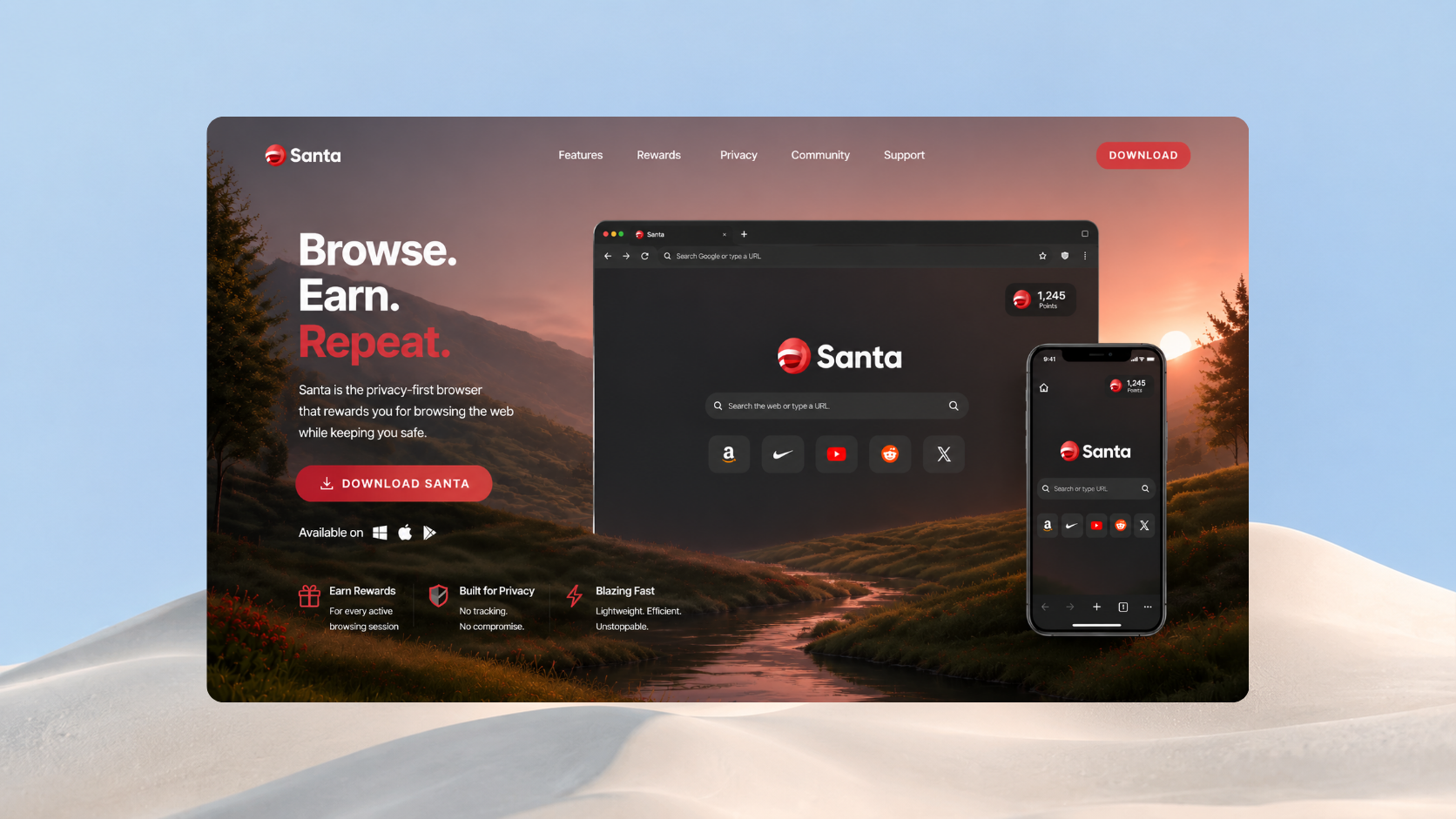
IndiaSanta Browser — Turned Everyday Browsing Into a Rewarding Experience That Drove Repeat Use and Revenue
“Built-in rewards changed the value of the browser itself. Users had a reason to stay, Santa gained a new monetization channel, and cashback became a scalable part of the business.”

iOS Development FAQs
Tell Us What You’re Building
Share your idea, requirements, or challenge. We’ll review it and help you figure out the right next step.
He Wang
Founder at Cashbackist, Inc.