
FoodTech Software Development for Kitchens and Supply Chains
We build custom kitchen and delivery software made for food businesses, helping your team manage perishable ingredients, kitchen prep lines, and fast customer orders without costly waste.
Clients that have trusted us over the years











Interact With Your Product Roadmap — Not With Endless Meetings
No matter it's a day or night, there are responses to my inquiries and resolves my concerns in less than an hour.

He Wang
Founder at Cashbackist, Inc.
The Recurring Problems in FoodTech Platforms
These show up across restaurants, cloud kitchens, and food supply chain platforms alike.
Recipe Costing Disconnected From Ingredient Prices
A recipe cost calculated once and never updated as ingredient prices shift means margin decisions are made on stale numbers. Recipe costing tied directly to live supplier pricing keeps margin visibility accurate as input costs move.
Traceability Reconstructed After an Incident
Trying to trace a food safety issue back through the supply chain after the fact, when that link was never captured at the time, is slow exactly when speed matters most. Capturing batch and lot data at the point of production, rather than reconstructing it later, turns a trace into a lookup instead of an investigation.
Multi-Brand Cloud Kitchens Treated as Separate Businesses
Running several delivery-only brands from one physical kitchen but managing them as unrelated systems means inventory and labour data never gives you the real combined picture. A shared operational layer across brands, with separate customer-facing identities, reflects how the kitchen actually runs.
Perishable Inventory Tracked Like Non-Perishable
Generic inventory software that does not distinguish expiry-sensitive stock from shelf-stable stock leads to waste and, worse, safety risk. Expiry-aware inventory logic that flags and prioritises ageing stock is not optional for a food business.
Delivery Platform Integrations Built Per Platform
Each delivery platform integrated as its own custom connection means every new platform is another build, not a configuration. A standardised order aggregation layer supporting multiple delivery platforms reduces that overhead considerably.
Waste Data Collected but Never Analysed
Waste logs kept for compliance but never connected to purchasing or menu decisions leave real cost savings on the table. Feeding waste data back into procurement and menu planning turns a compliance record into an actual cost-reduction tool.
FoodTech Businesses We Work With
Restaurants, cloud kitchens, and supply chain platforms share vocabulary but face very different operational pressures.
Restaurant Chains
Multi-location operations where consistent recipe costing and centralised reporting matter most.
- •Multi-location recipe standardisation
- •Centralised operational reporting
Cloud and Dark Kitchens
Multi-brand, delivery-only operations where shared kitchen resources need brand-level reporting separation.
- •Multi-brand shared operations
- •Delivery platform aggregation
Food Supply Chain and Distribution
Traceability and logistics platforms where a safety incident needs a fast, verifiable response.
- •Lot and batch traceability
- •Cold chain logistics tracking
Food Delivery and Marketplace Platforms
Consumer-facing ordering platforms where restaurant onboarding and order routing drive the business.
- •Restaurant onboarding tools
- •Real-time order routing
Food Manufacturers and Producers
Batch production with regulatory traceability requirements closer to manufacturing than to hospitality.
- •Regulatory batch compliance
- •Production and yield tracking
Technical Choices That Keep FoodTech Platforms Reliable
Most of these exist because food data is perishable, safety-regulated, and needs to reconcile across multiple channels at once.
Live Recipe Costing
Recipe cost calculations pull from live supplier pricing, so margin visibility stays accurate as ingredient costs shift, not stale from the last manual update.
Lot Traceability From Production to Sale
Every batch or lot gets logged the moment it is used, not reconstructed afterward, so tracing a food safety issue is a database query rather than a multi-day investigation.
Expiry-Aware Inventory Logic
Perishable stock is flagged and prioritised by expiry date automatically, rather than tracked identically to shelf-stable inventory.
Multi-Brand Kitchen Architecture
A shared operational layer supports multiple customer-facing brands from one kitchen, with reporting that still separates performance by brand.
Unified Delivery Platform Aggregation
Orders from multiple delivery platforms flow into one system, so adding a new platform is a configuration change, not a new integration build.
Waste Data Feeding Procurement
Waste tracking connects directly to purchasing and menu planning, turning a compliance record into a real cost-reduction input.
FoodTech Software Development Services We Deliver
For restaurant chains, cloud kitchens, and food supply chain businesses, our foodtech software development covers the kitchen and everything feeding into it.
Kitchen and Recipe Management Systems
Live recipe costing and standardisation tools that keep margin visibility accurate as ingredient prices change.
Cloud Kitchen and Multi-Brand Platforms
Shared operational systems supporting multiple delivery-only brands from one kitchen, with brand-level reporting intact.
Food Traceability and Compliance Systems
Lot and batch tracking built into production records, making a safety-incident trace a lookup rather than an investigation.
Delivery Platform Integration and Aggregation
Unified order aggregation across multiple delivery platforms, reducing every new platform to a configuration task.
Perishable Inventory Management
Expiry-aware inventory logic that flags and prioritises ageing stock, reducing both waste and safety risk.
Food Supply Chain Platforms
End-to-end traceability and logistics tracking for distributors and manufacturers with real regulatory obligations.
What Working With Us Looks Like
Perishability and traceability are the two things a generic inventory platform was never built to get right, and they are exactly what separates a real foodtech build from one with a restaurant skin on it.
We Design for Perishability From Day One
Expiry-aware inventory logic is architected in from the start, not retrofitted onto a generic stock-tracking system after waste becomes a problem.
Traceability Is a Core Requirement, Not an Add-On
Lot and batch tracking is designed into the production record from the first sprint, since retrofitting traceability after an incident is far too late.
AI Speeds Up Integration Work, People Own the Costing Logic
We use AI to speed through delivery integrations and reporting tools, but recipe costing and traceability logic are reviewed by a person before release, since those are the numbers your margins and your safety record actually depend on.
We Understand Multi-Brand Kitchen Operations
Shared kitchen infrastructure with separate brand identities is designed as its own architecture pattern, not forced into a single-brand system.
Designed With Kitchen and Operations Staff
Kitchen and operations staff have already invented their own fixes for exactly where the system does not match how food actually moves. We go find those fixes first.
Migration Timed Around Service Hours
System cutovers are scheduled around your actual service hours and peak periods, never scheduled to collide with a dinner rush.
Secure, high-speed products built for business growth
Our software is engineered for speed, security and scalability — delivering dependable performance for businesses of every size.
What Our Clients Say
Hear directly from the people who’ve partnered with us to bring their ideas and digital products to life.
No matter it’s a day or night, there are responses to my inquiries and resolves my concerns in less than an hour.

He Wang
Founder at Cashbackist, Inc.
Best thing about EnactOn is they have all under-one-roof solution for end-to-end business requirements.

Tej Prakash
Founder at AdGaem
We appreciate their attention to detail and creative approach in bringing our new exhibit to life online.

Y Sreekanth
Founder at Cashkart365
EnactOn provided me with a more comprehensive proposal than I asked for, which helped me proceed smoothly with development.

Tejas Ahobala
Founder at Khareedhi
All my worries and thinking turned in positive ways when I came across an expert team of EnactOn technologies.

Aaksh Soni
Founder at DealNo1
The technical approach to a solution has been their core strength. Overall domain and business expertise is truly remarkable.

Quartzobr
Founder at Kahle.com.br
Real Results from Real Companies
Explore how we turn complex business challenges into scalable digital products that deliver measurable results.
 Switzerland
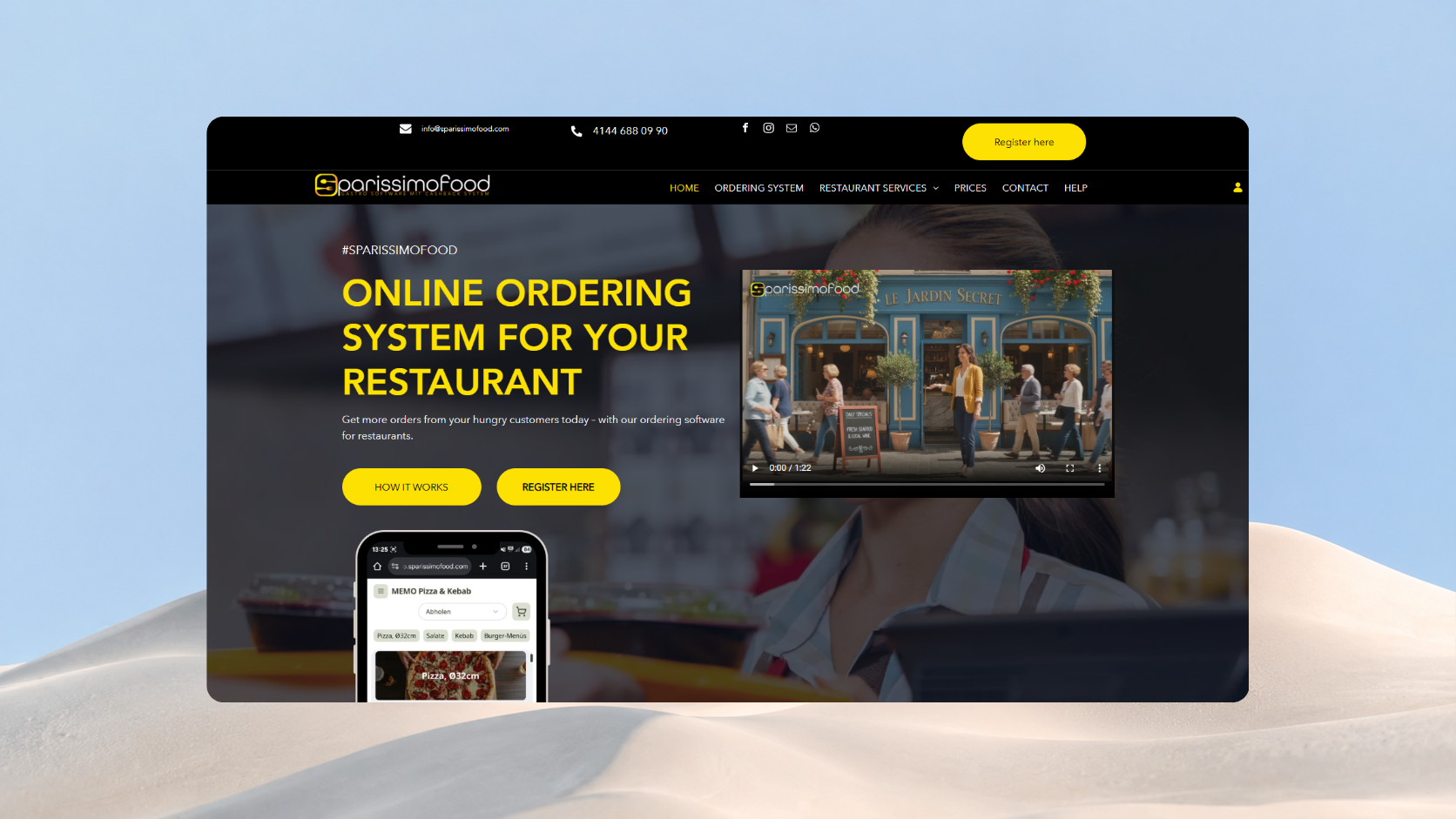
How We Built SparissimoFood — An Online Food Ordering System for 400+ Restaurants

“In just 2 months we onboarded over 400 restaurants. EnactOn built a platform that scaled instantly and reduced our support load by 60%.”

 Switzerland
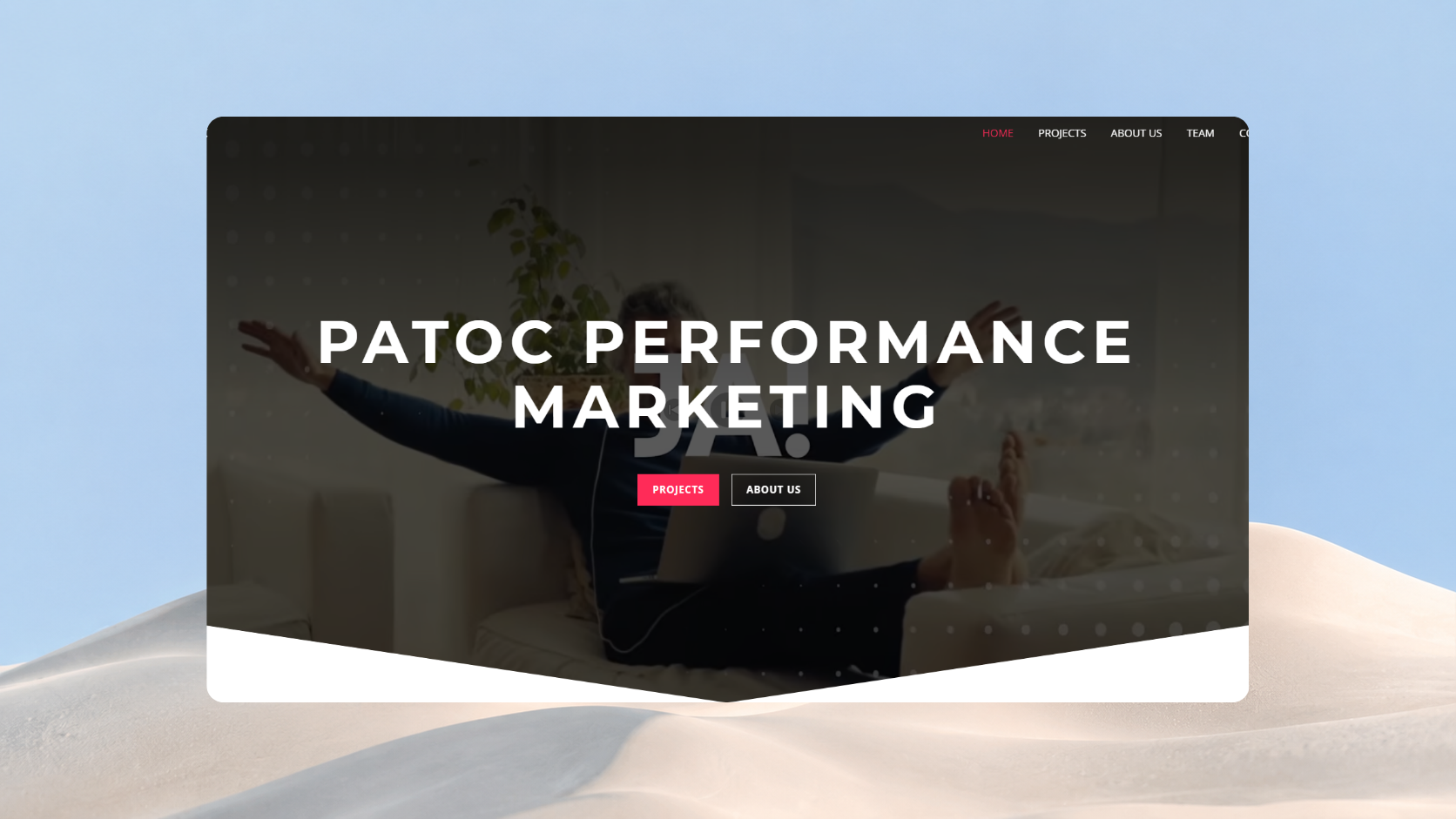
Patoc — Advertiser Management Software That Runs Black Friday at 99.9% Campaign Accuracy
“The automated campaign system eliminated our entire seasonal hiring burden and delivered 99.9% accuracy across every Black Friday campaign.”

 India
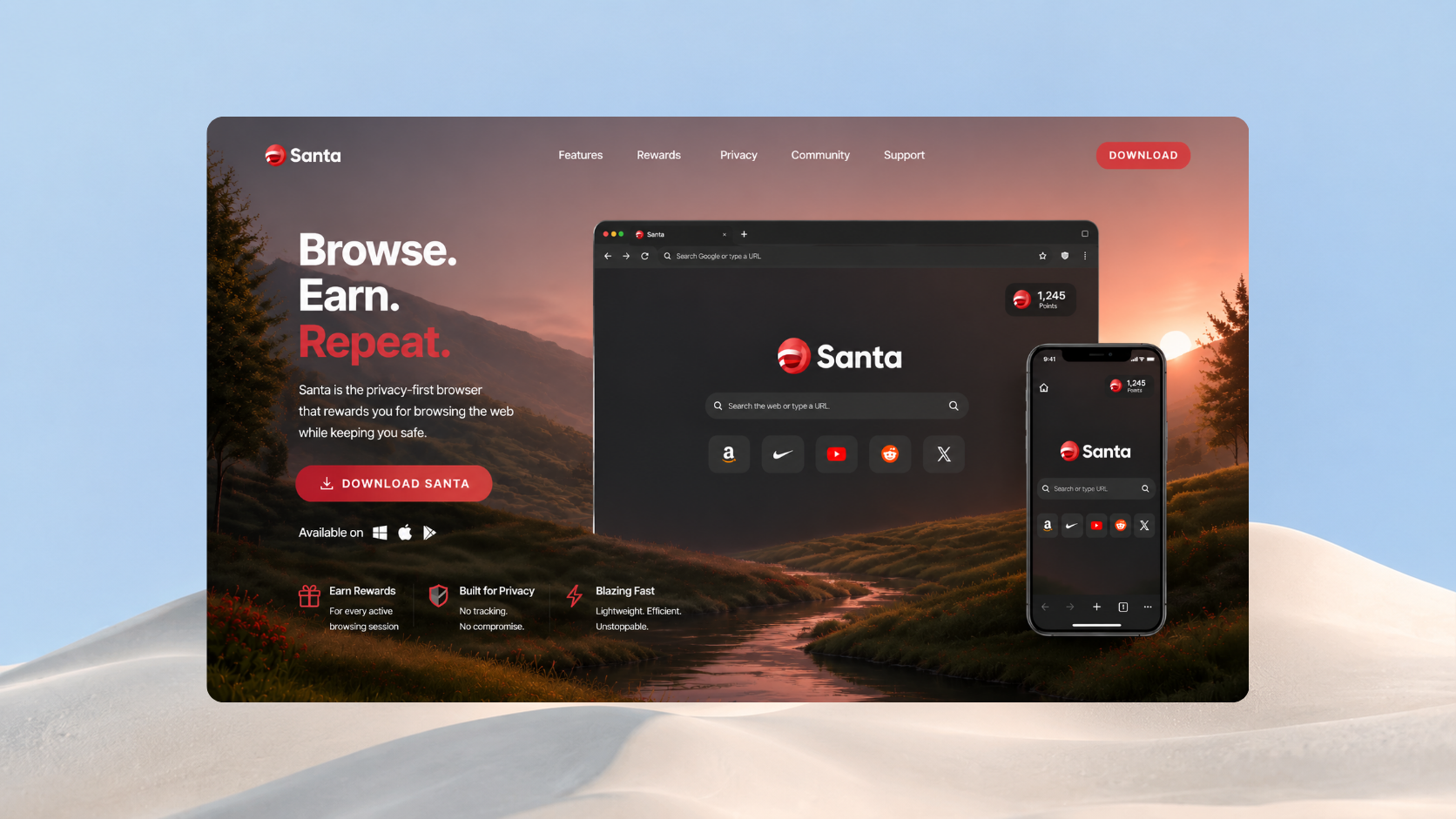
IndiaSanta Browser — Turned Everyday Browsing Into a Rewarding Experience That Drove Repeat Use and Revenue
“Built-in rewards changed the value of the browser itself. Users had a reason to stay, Santa gained a new monetization channel, and cashback became a scalable part of the business.”

Send Us the Part That Worries You Most
Whether it is recipe costing that never updates with ingredient prices, a food safety trace that would take days instead of hours, or delivery platform integrations you keep rebuilding one at a time, a short technical conversation will tell you more than a proposal document.
FoodTech Development FAQs
Tell Us What You’re Building
Share your idea, requirements, or challenge. We’ll review it and help you figure out the right next step.
He Wang
Founder at Cashbackist, Inc.