
Build a Platform Like Oscar for Fixed-Price Home Services
A customer who knows the exact price before the technician even leaves the depot books with confidence instead of hesitation. EnactOn builds that price certainty into every step of the experience.
Clients that have trusted us over the years











Interact With Your Product Roadmap — Not With Endless Meetings
"No matter it's a day or night, there are responses to my inquiries and resolves my concerns in less than an hour."

He Wang
Founder at Cashbackist, Inc.
The Oscar Monetization Blueprint
A platform built like Oscar earns from more than the base service fee. Margin, urgency pricing, and technician plans each add their own revenue line.
We plan monetization with our Fixed-Price Revenue Framework, which checks every income margin against your service catalog and dispatch model before pricing is set.
Margin on Fixed-Price Services
The customer-facing price sits above what the technician is paid out, earning a margin on every completed job.
Urgent Booking Charges
Customers pay extra for instant or priority dispatch, a revenue line separate from standard scheduled bookings.
Technician Membership Plans
Technicians pay for better job access, lower commission rates, or added visibility inside the platform.
Core Features of Your Oscar Style Platform
These are the real functional building blocks of a platform built like Oscar: the pieces that let customers see a fixed price before booking and get a technician moving fast. EnactOn engineers each one around your service catalog and dispatch radius.
Fixed-Price Service Requests
Customers see the price for their exact service before confirming, with no surprise charges once the technician arrives.
Fast Technician Dispatch
Requests get matched to a nearby available technician quickly, with live movement tracking toward the customer's address.
Urgent & Scheduled Booking Options
Customers request immediate help or pick a later time slot depending on how urgent the need is.
Technician Task & Route Management
Technicians see job details, get route guidance, and update job status from accepted through completed.
Warranty & Quality Guarantee Tracking
Completed jobs carry a service guarantee that customers and admins can both reference if an issue comes up.
Admin Dispatch & Pricing Controls
The platform owner manages service-wise pricing, technician assignment rules, and coverage zones from one dashboard.
Why Fixed-Price Service Founders Choose EnactOn
EnactOn ships platforms that keep quoted prices accurate and dispatch fast, even when demand spikes across every service zone at once.
Launch Dates Set After Understanding Your Catalog
We commit to a date only once we know your service categories and pricing rules, so it doesn't shift once development starts.
No Surprises Once We Start
What you agree to at kickoff is what you pay, even if a pricing-engine edge case takes extra care to get right.
Tested Under Real Urgent-Request Load
We stress-test dispatch speed and pricing accuracy under realistic urgent-booking volume, not a quiet demo.
Support That Continues as You Add Zones
We stay involved as you expand into new service areas, not just through your first launch.
Built Around How Fast-Dispatch Businesses Actually Run
Technician proximity matching, route logic, and urgent-request handling shape the platform, not a scheduled-appointment assumption.
AI for Speed, Engineers for the Pricing Engine
AI accelerates routine screens; the fixed-pricing and dispatch-matching logic is engineered and reviewed by people.
Why Choose EnactOn's Oscar Clone?
A quoted price that changes once the technician arrives costs you the customer and the referral. We build pricing and dispatch logic tight enough that it doesn't happen.
More Than a Decade of Custom Builds
EnactOn has engineered custom platforms since 2013, across 65+ countries, so the fixed-pricing and technician-matching logic on your build is backed by real production history.
Continuity From Strategy Call to Delivery
The engineers who scope your pricing rules on the first call are the ones who build and ship them, so nothing gets diluted in a handoff.
Cost Broken Down Before You Commit
You see pricing by module, booking flow, dispatch logic, admin controls, before development starts, not one opaque number.
Built for Speed Without Losing Price Certainty
Fast dispatch and upfront fixed pricing are both architecture decisions made together, not a tradeoff forced by a rushed build.
Secure, high-speed products built for business growth
Our software is engineered for speed, security and scalability — delivering dependable performance for businesses of every size.
What Our Clients Say
Hear directly from the people who’ve partnered with us to bring their ideas and digital products to life.
No matter it’s a day or night, there are responses to my inquiries and resolves my concerns in less than an hour.

He Wang
Founder at Cashbackist, Inc.
Best thing about EnactOn is they have all under-one-roof solution for end-to-end business requirements.

Tej Prakash
Founder at AdGaem
We appreciate their attention to detail and creative approach in bringing our new exhibit to life online.

Y Sreekanth
Founder at Cashkart365
EnactOn provided me with a more comprehensive proposal than I asked for, which helped me proceed smoothly with development.

Tejas Ahobala
Founder at Khareedhi
All my worries and thinking turned in positive ways when I came across an expert team of EnactOn technologies.

Aaksh Soni
Founder at DealNo1
The technical approach to a solution has been their core strength. Overall domain and business expertise is truly remarkable.

Quartzobr
Founder at Kahle.com.br
Fixed-Price Service Platforms, the Intent-Driven Way
EnactOn builds your platform, built like Oscar, using Intent-Driven Engineering: we define the specification first, let AI accelerate implementation under close human review, and pass every release through a four-gate quality pipeline before it ships.
Specify Your Pricing Rules First
How each service is priced, and how fast dispatch needs to be, becomes a clear specification before a single screen gets designed.
AI Takes On the Routine Screens
AI accelerates implementation on routine work, while engineers stay responsible for pricing and dispatch-matching logic.
Every Release Gets a Human Review
EnactOn's engineers check, refine, and sign off on every AI-generated line before it reaches your platform.
Four Gates Before Launch
Every release passes function, security, performance, and deployment readiness checks before it goes live.
What Actually Builds Booking Confidence
We study what genuinely makes customers trust a fixed-price dispatch platform enough to book again, then shape those flows around your own service catalog.
Tuned to Your Service Catalog and Zones
Every feature is calibrated to your pricing rules, dispatch radius, and technician pool based on real research, aimed at retention and profit.
How We Build Your Oscar Clone Solution
Fixed pricing and fast dispatch are where these platforms usually get complicated, not the booking screen. We lock pricing and dispatch rules first, then move through design, build, and testing in order.
Discovery & Dispatch-Radius Mapping
We map your service catalog, pricing rules, and target dispatch radius, then translate them into a locked specification covering every side of the platform.
Fixed-Price Architecture
Fixed-price calculation and fast technician matching drive the stack choice (React Native, Node.js, PostgreSQL), with designers mapping every core screen alongside it.
Build the Fixed-Price Platform
Engineers build every side of the platform, customer-facing, technician-facing, and admin-facing, in parallel sprints, with AI speeding up standard screens while engineers own the pricing and dispatch logic.
Test Dispatch & Launch
We test pricing accuracy and dispatch speed under real urgent-request scenarios, then support your app store submissions and stay on after launch.
Working out fixed pricing and dispatch for a home service app like Oscar?
Tell us roughly how your pricing should work and the rest of the idea. We'll map it into a working plan from there, no finished spec needed.
Real Results from Real Companies
Explore how we turn complex business challenges into scalable digital products that deliver measurable results.
 Switzerland
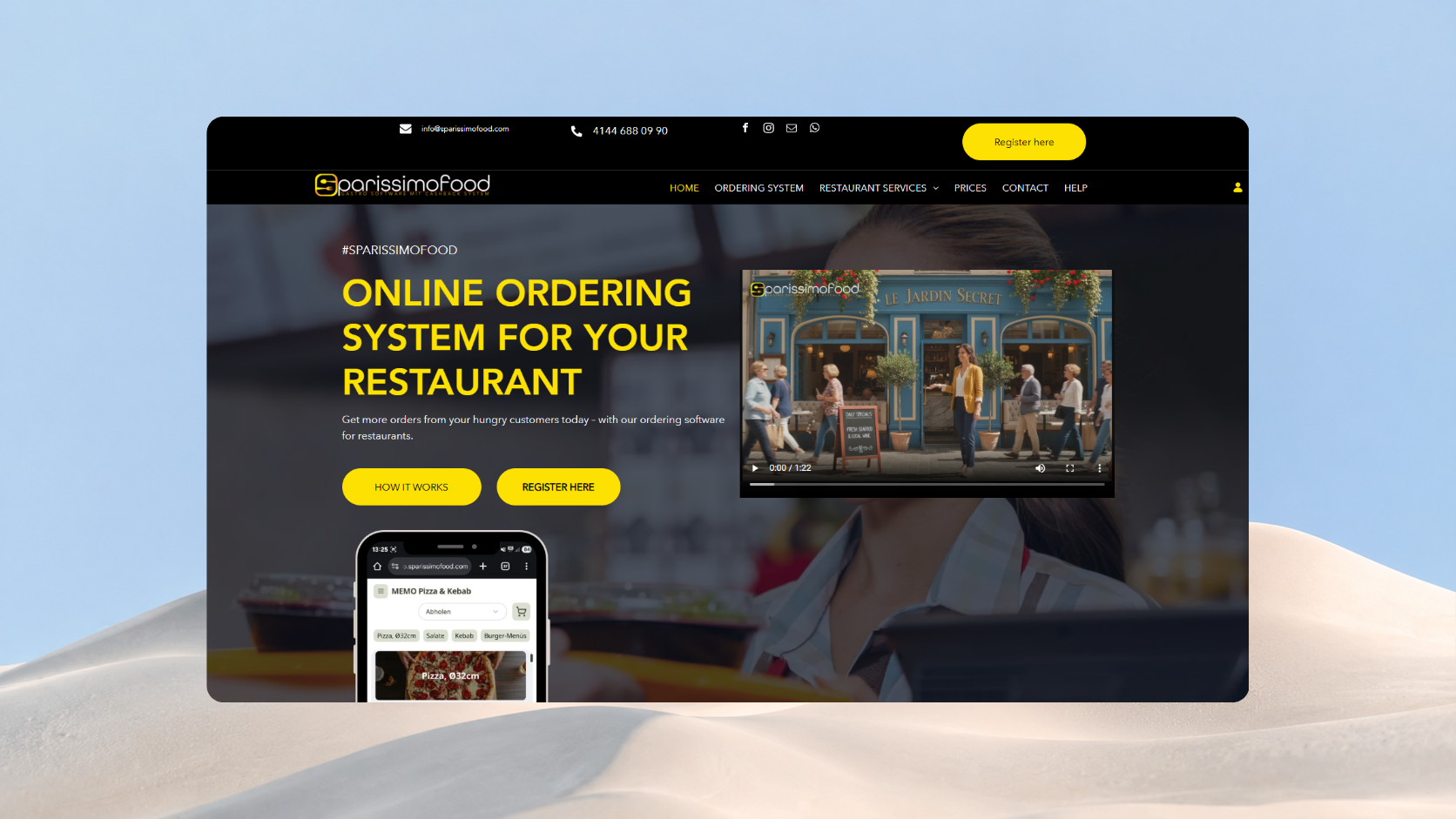
How We Built SparissimoFood — An Online Food Ordering System for 400+ Restaurants

“In just 2 months we onboarded over 400 restaurants. EnactOn built a platform that scaled instantly and reduced our support load by 60%.”

 Switzerland
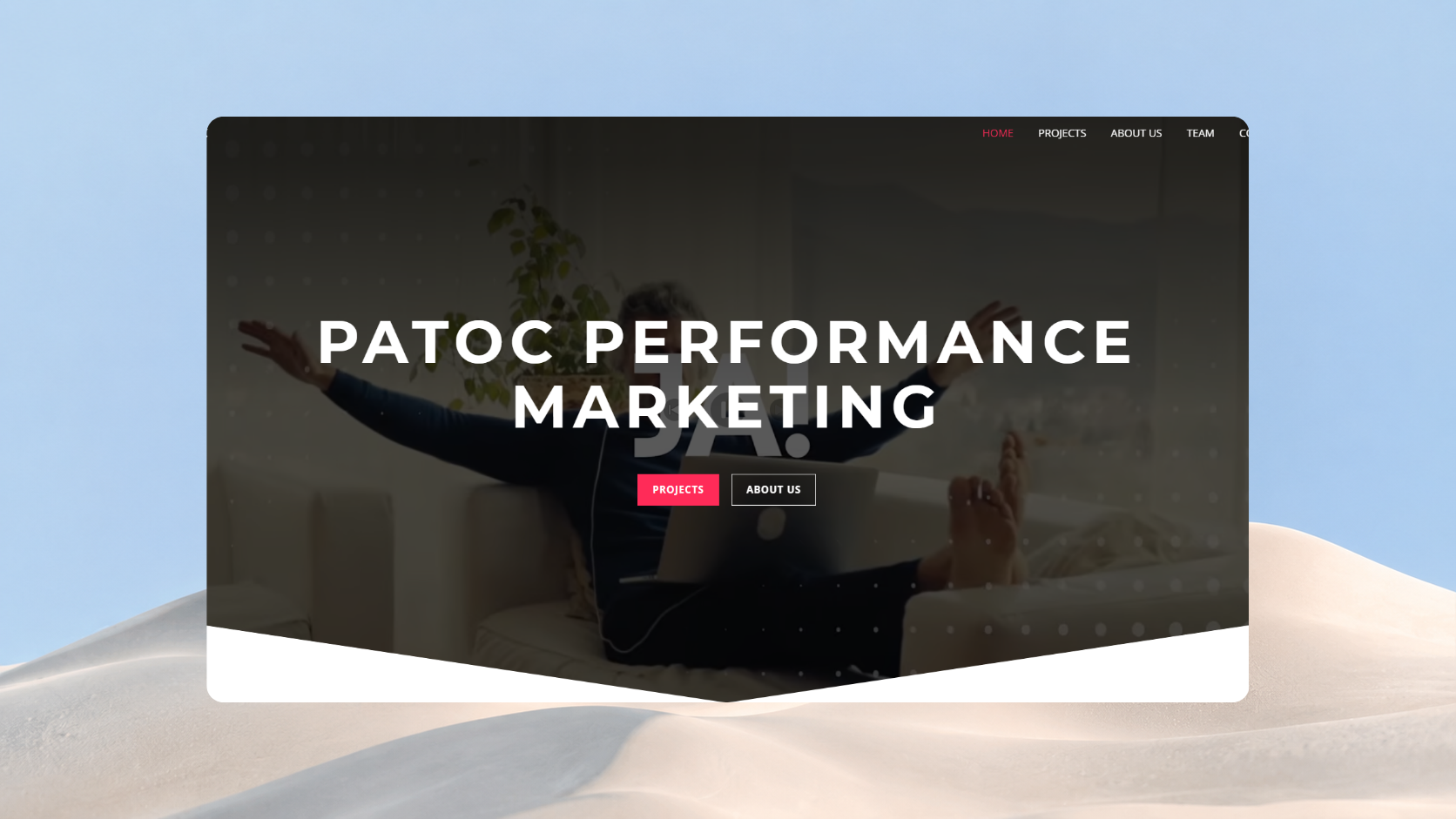
Patoc — Advertiser Management Software That Runs Black Friday at 99.9% Campaign Accuracy
“The automated campaign system eliminated our entire seasonal hiring burden and delivered 99.9% accuracy across every Black Friday campaign.”

 India
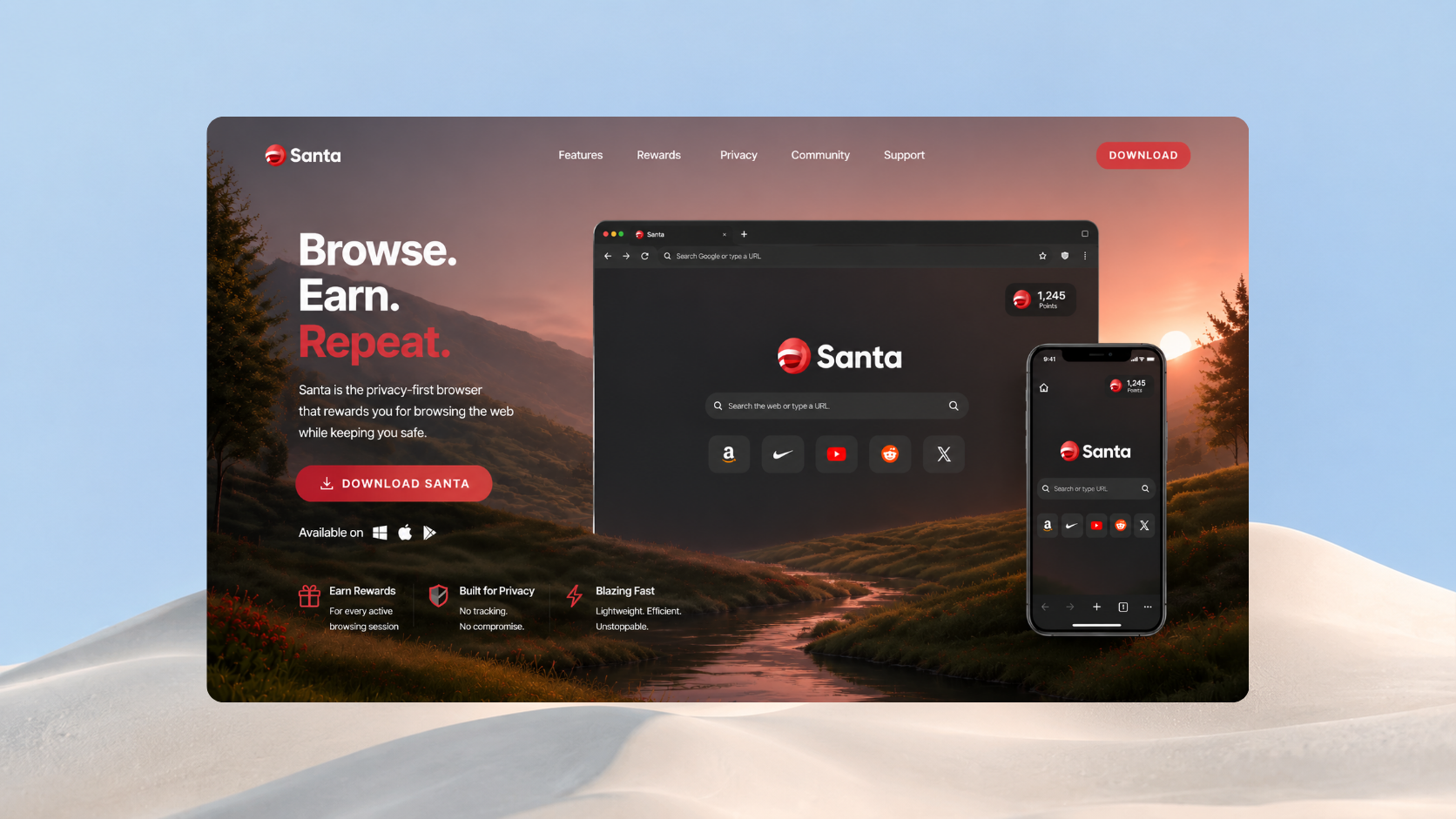
IndiaSanta Browser — Turned Everyday Browsing Into a Rewarding Experience That Drove Repeat Use and Revenue
“Built-in rewards changed the value of the browser itself. Users had a reason to stay, Santa gained a new monetization channel, and cashback became a scalable part of the business.”

Already have a home service app without fixed pricing?
An existing platform, a rough prototype, or a system that quotes prices after the fact instead of before, tell us what's already built, and we'll help you add price certainty.
FAQs
Tell Us What You’re Building
Share your idea, requirements, or challenge. We’ll review it and help you figure out the right next step.
He Wang
Founder at Cashbackist, Inc.